

08 May What to See in Kyoto Beyond Temples: 9 Unique Experiences
Kyoto, Japan’s ancient capital, often conjures images of serene temples and Zen gardens. However, my first visit to this city revealed a vibrant tapestry of experiences beyond its spiritual landmarks. Strolling through bustling markets and stumbling upon quirky museums, I realized Kyoto’s charm lies in its diversity. According to the Japan National Tourism Organization, Kyoto welcomed over 50 million visitors in 2023, many drawn to its 1,600 temples. Yet, the city’s lesser-known spots offer unforgettable adventures. This blog post uncovers nine unique things to see in Kyoto, blending culture, nature, and creativity. Whether you’re a first-time traveler or a seasoned explorer, these tips will inspire your journey. Let’s dive into Kyoto’s hidden treasures!
1. Wander Through Arashiyama Bamboo Grove
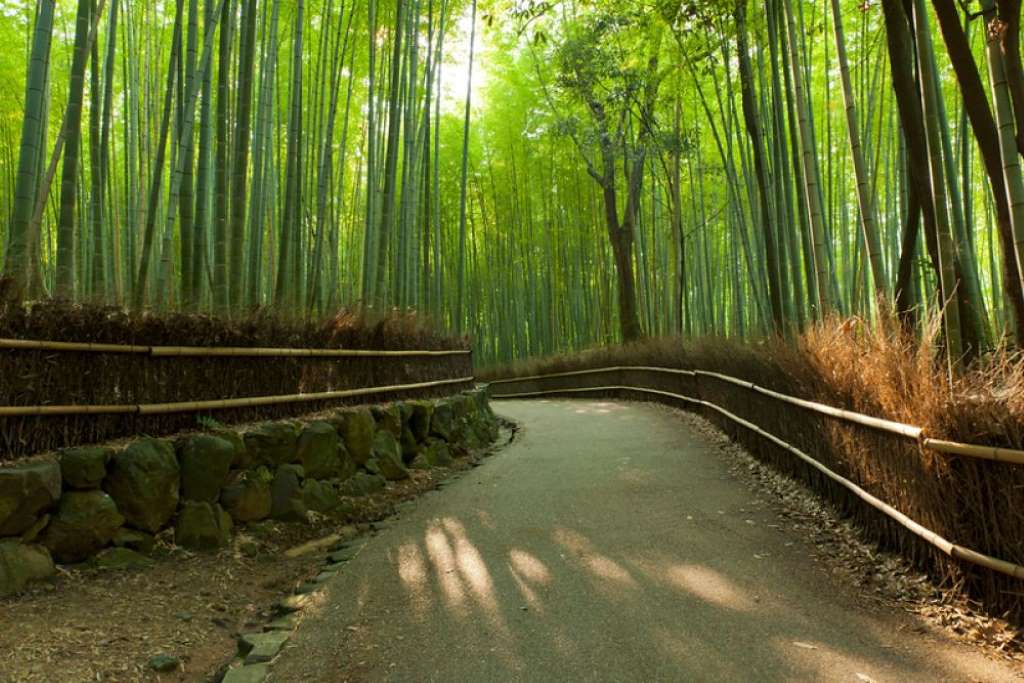
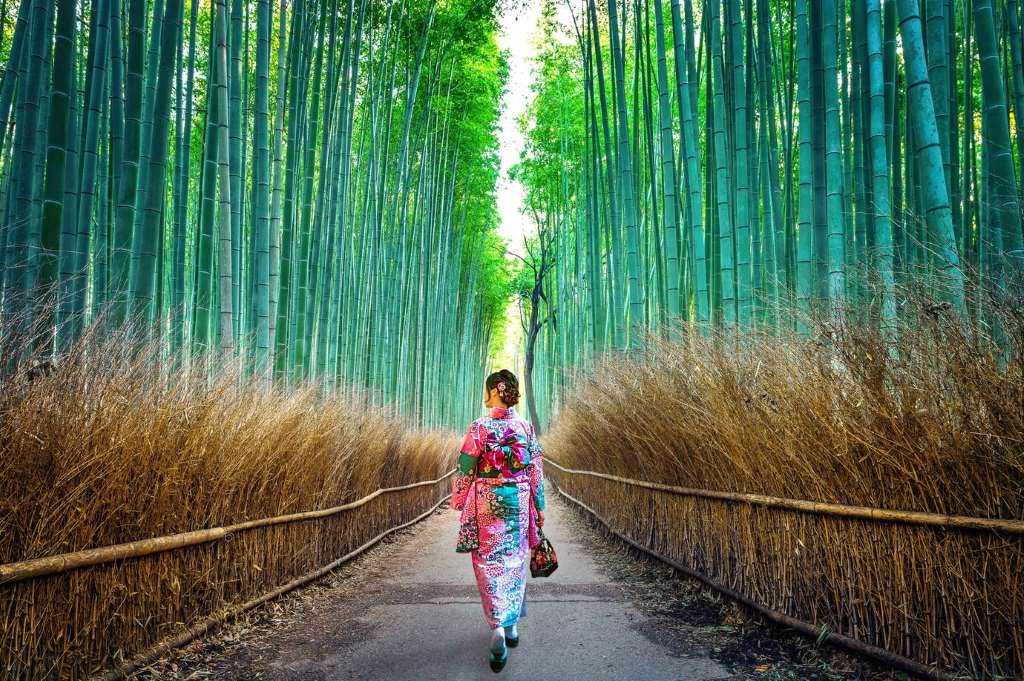
The Arashiyama Bamboo Grove feels like stepping into a dream. Towering bamboo stalks sway gently, casting dappled light on the path. During my visit, the serene rustling of leaves was mesmerizing, though early mornings are best to avoid crowds. Located in western Kyoto, this grove is free to explore and spans about 500 meters. Pair your visit with the nearby Iwatayama Monkey Park, where 120 wild macaques roam freely. According to a 2022 Kyoto tourism report, Arashiyama attracted 3 million visitors annually. For a unique twist, rent a kimono from a nearby shop to enhance your photos. Arrive before 8 a.m. for tranquility, and wear comfortable shoes for the uneven path. This natural wonder is a must-see beyond Kyoto’s temples.
2. Explore Nishiki Market’s Culinary Delights
Nishiki Market, dubbed “Kyoto’s Kitchen,” is a food lover’s paradise. Stretching 400 meters, this narrow alley buzzes with over 100 stalls selling fresh seafood, pickles, and sweets. My taste buds danced trying tamagoyaki (rolled omelet) and matcha mochi. A 2023 study by the Kyoto Food Association noted that Nishiki generates ¥10 billion annually, reflecting its popularity. Visit mid-morning to sample dishes without the afternoon rush. Bring cash, as many vendors don’t accept cards. For an immersive experience, join a guided food tour to learn about local ingredients. Don’t miss the Aritsugu knife shop, a 400-year-old gem for culinary enthusiasts. Nishiki offers a delicious glimpse into Kyoto’s culture.
3. Discover the Quirky Kyoto Railway Museum
Train enthusiasts and curious travelers will love the Kyoto Railway Museum. Spanning 30,000 square meters, it houses 53 locomotives, from steam engines to bullet trains. My inner child marveled at the interactive simulators, where I “drove” a Shinkansen. According to the museum’s 2024 report, it attracts 800,000 visitors yearly. Located near Kyoto Station, tickets cost ¥1,200 for adults. Spend 2–3 hours exploring exhibits and the outdoor train yard. Families can enjoy the kid-friendly workshops, like crafting model trains. Visit on weekdays to avoid weekend crowds. This museum blends history and fun, making it a unique stop in Kyoto.
4. Stroll Along the Philosopher’s Path
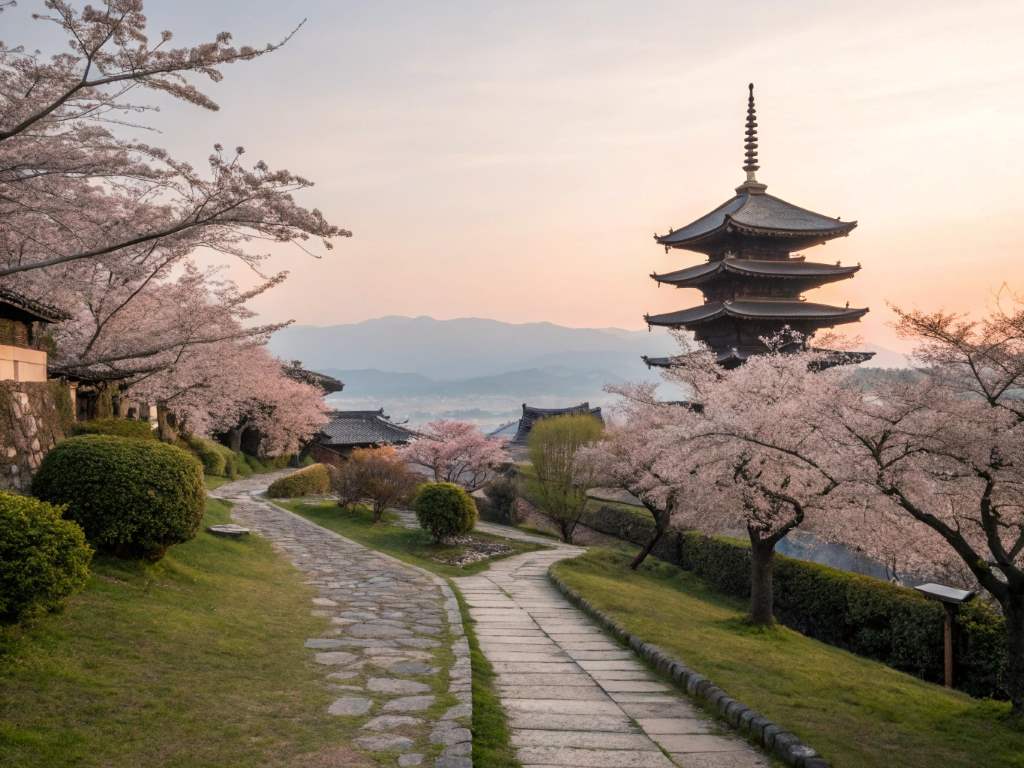
The Philosopher’s Path, a 2-kilometer stone trail, offers a peaceful escape. Lined with cherry trees, it’s named after philosopher Kitaro Nishida, who walked here daily. During spring, the path dazzles with cherry blossoms, attracting 1.5 million visitors, per a 2023 Kyoto tourism survey. My autumn visit revealed vibrant foliage, equally stunning. The trail connects Ginkaku-ji to Nanzen-ji, with quaint cafes along the way. Stop at Honen-in Temple for a quiet moment. Allow 1–2 hours and wear comfortable shoes. Visit early to enjoy solitude. This scenic walk showcases Kyoto’s natural beauty beyond its spiritual sites.
5. Visit the Fushimi Sake District
Kyoto’s Fushimi Sake District is a hidden gem for sake lovers. With over 30 breweries, Fushimi produces 20% of Japan’s sake, according to the Sake Brewers Association (2023). Wandering its willow-lined streets, I toured the Gekkeikan Okura Sake Museum, learning about 400 years of brewing history. Tickets cost ¥600, including a tasting. Pair your visit with a canal boat ride for ¥2,000 to see breweries from the water. Visit in February for the annual sake festival, drawing 50,000 attendees. Book tours in advance and wear warm clothing in winter. This district offers a spirited twist on Kyoto’s heritage.
6. Uncover Art at the Kyoto National Museum
The Kyoto National Museum celebrates Japan’s artistic legacy. Housing over 12,000 artifacts, it showcases calligraphy, ceramics, and paintings. My visit left me awestruck by a 17th-century screen painting. A 2024 museum report noted 600,000 annual visitors. Located near Sanjusangen-do, tickets cost ¥700. Spend 2 hours exploring rotating exhibits. Photography is limited, so bring a sketchbook for notes. Visit on weekdays for fewer crowds. The museum’s garden cafe is perfect for a break. This cultural hub offers a fresh perspective on Kyoto’s creative side, far from temple trails.
7. Experience Gion’s Geisha Culture
Gion, Kyoto’s geisha district, pulses with history. Its wooden teahouses and lantern-lit alleys feel timeless. I was lucky to spot a maiko (apprentice geisha) during an evening stroll, a rare treat. According to a 2023 Gion cultural study, only 500 geisha remain in Kyoto. Explore Hanami-koji Street, but respect privacy and avoid photographing geisha. Join a cultural workshop, like tea ceremonies, for ¥3,000. Evening walks are magical, though crowded. Visit in July for the Gion Matsuri, Japan’s largest festival, drawing 1 million attendees. Gion reveals Kyoto’s living traditions beyond its shrines.
8. Relax at Kurama Onsen
Nestled in Kyoto’s mountains, Kurama Onsen is a rejuvenating retreat. This hot spring, surrounded by forest, offers indoor and outdoor baths. My soak under the stars was pure bliss. A 2024 tourism report noted 200,000 annual visitors. Entry costs ¥1,100 for the outdoor bath. Take the Eizan Railway from Demachiyanagi Station for a scenic 30-minute ride. Bring a towel or rent one for ¥300. Visit in autumn for stunning foliage. Pair with a hike to Kurama-dera Temple. This onsen provides a tranquil escape from Kyoto’s bustle.
9. Marvel at the Kyoto International Manga Museum
The Kyoto International Manga Museum is a haven for comic fans. Housing 300,000 manga volumes, it’s one of the world’s largest collections. Flipping through rare editions, I felt like a kid again. A 2024 report cited 400,000 annual visitors. Located near Karasuma-Oike Station, tickets cost ¥900. Spend 2–3 hours browsing or join a manga workshop for ¥2,000. The museum’s lawn is great for reading. Visit on weekdays to avoid school groups. This quirky spot celebrates Kyoto’s modern culture, a fun detour from temples.
Tips for Your Kyoto Adventure
To make the most of Kyoto’s unique attractions, plan strategically. Here’s how:
- Book in advance: Reserve spots for sake tours or onsen visits to secure your place.
- Travel off-peak: Visit in spring (March–May) or autumn (September–November) for mild weather and fewer crowds.
- Use public transport: Kyoto’s buses and trains are efficient; get a ¥700 day pass for unlimited rides.
- Respect local customs: Follow rules at cultural sites, like no photography in Gion.
- Budget wisely: Many attractions are affordable, but food tours and workshops may cost ¥3,000–¥5,000.
Conclusion
Kyoto’s charm extends far beyond its temples, weaving nature, culture, and creativity into a vibrant tapestry. From the serene Arashiyama Bamboo Grove to the lively Nishiki Market, these nine unique experiences offer a fresh perspective on the city. My journey through Kyoto’s hidden gems left me with memories I’ll cherish forever. Whether you’re savoring sake in Fushimi or soaking in Kurama Onsen, Kyoto invites you to create your own story. Start planning your trip today and share your favorite Kyoto moments in the comments below. Don’t forget to share this article with fellow travelers!
FAQs
What is the best time to visit Kyoto’s non-temple attractions?
Spring (March–May) and autumn (September–November) offer mild weather and fewer crowds.
Are Kyoto’s unique attractions budget-friendly?
Yes, most sites like Nishiki Market and the Philosopher’s Path are free or cost under ¥1,200.
How can I avoid crowds at Arashiyama Bamboo Grove?
Visit before 8 a.m. to enjoy the grove’s tranquility without heavy foot traffic.
Is English widely spoken at these Kyoto attractions?
Basic English is common at museums and markets, but learning simple Japanese phrases helps.
Can I combine these attractions into a single day?
Yes, pair nearby spots like Nishiki Market and the Kyoto National Museum for an efficient day.