

15 May Ultimate Guide to Renting Bikes in Moab for National Park Trails
Moab, Utah, is a paradise for outdoor enthusiasts, with its red rock landscapes and world-class trails. Picture yourself pedaling through Arches National Park, the wind in your hair, and stunning vistas unfolding. Renting a bike in Moab opens the door to this adventure, but where do you start? This guide shares a storytelling journey to help you navigate bike rentals for national park trails. Drawing from my own experience biking the Moab Brand Trails, I’ll provide actionable tips to ensure your ride is seamless. Whether you’re a beginner or a seasoned rider, Moab’s trails offer something for everyone. Let’s dive into how to rent bikes in Mobab and hit the trails with confidence.
Why Moab is a Mountain Biking Center
Moab’s reputation as a biking hub is unmatched. Its proximity to Arches and Canyonlands National Parks makes it ideal for trail exploration. According to the Moab Area Travel Council, over 500,000 visitors bike its trails annually, drawn to the unique slickrock terrain. This petrified dune surface offers incredible traction, perfect for biking. My first ride on the Bar-M Loop was thrilling; the smooth slickrock felt like riding on nature’s pavement. Trails range from beginner-friendly to expert-level, ensuring all skill levels find joy. Renting a bike in Moab lets you experience this diversity without the hassle of transporting your own. The key is choosing the right rental shop and bike for your adventure.
Choosing the Right Bike Rental Shop
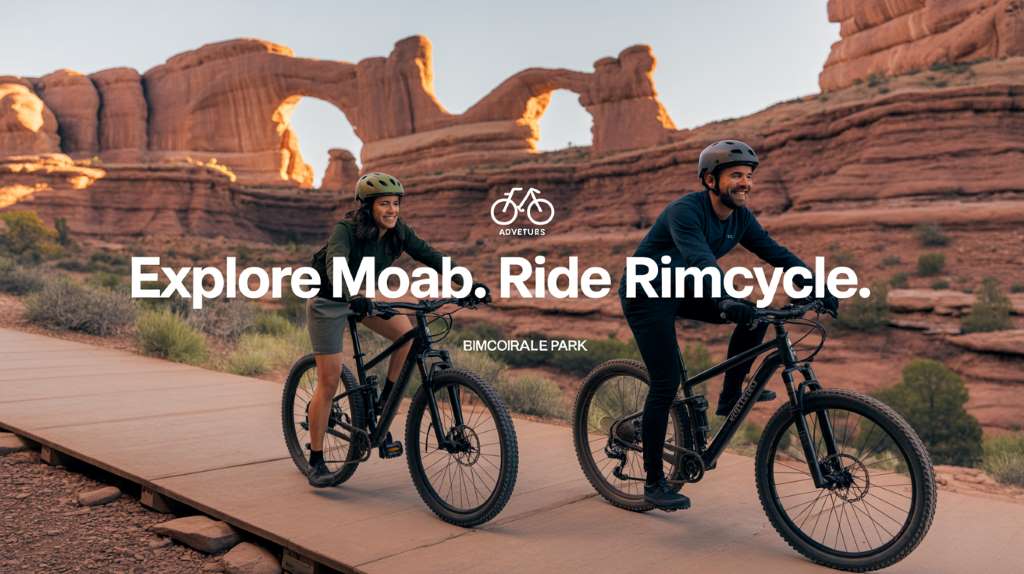
Selecting a reputable rental shop is crucial for a great experience. Moab boasts several trusted options, each with unique offerings. Poison Spider Bicycles, located at 497 N. Main Street, offers a wide range of bikes, from standard to premium full-suspension models. Moab Cyclery, at 391 S. Main Street, provides high-performance bikes and guided tours. Bighorn Mountain Biking stands out for its trailhead rentals at Moab Brand Trails and Dead Horse Point State Park, eliminating transportation needs. When I rented from Moab Cyclery, the staff’s trail advice was invaluable, guiding me to the perfect route. Compare shops based on proximity, bike variety, and services like shuttles or delivery. Always book in advance, especially during peak seasons (spring and fall), to secure your bike.
- Poison Spider Bicycles: Wide selection, guided tours, open 8 AM–7 PM.
- Moab Cyclery: High-performance bikes, shuttles to major trails.
- Bighorn Mountain Biking: Trailhead rentals, ideal for beginners.
Types of Bikes for National Park Trails
Moab’s trails demand specific bikes tailored to the terrain. Full-suspension mountain bikes are popular for their shock absorption on rocky paths, costing $75–$100 per day. Hardtail bikes, with front suspension only, are budget-friendly at $40–$60 daily, suitable for smoother trails like Bar-M Loop. E-bikes, starting at $25 per hour, offer pedal-assist for longer rides, but they’re restricted on singletrack trails in national parks. Kids’ bikes, like the F-Trick 26” at Poison Spider, cater to young riders. My group rented full-suspension bikes for the Klondike Bluffs, and the comfort made all the difference. Ensure your bike matches your skill level and trail choice. Check with shops for accessories like helmets, locks, and repair kits, often included in rentals.
- Full-Suspension: Best for technical trails, absorbs shocks.
- Hardtail: Affordable, great for beginners.
- E-Bikes: Ideal for scenic routes, limited on singletrack.
Top Trails to Explore with Your Rental
Moab’s trails offer breathtaking views and varied challenges. The Moab Brand Trails, 15 minutes from downtown, are perfect for beginners, with scenic views of Arches National Park. The Bar-M Loop (7.9 miles) is family-friendly, while Deadman’s Ridge tests advanced riders. Dead Horse Point State Park, 33 miles from Moab, features 9 miles of beginner-to-intermediate trails overlooking Canyonlands. The Klondike Bluffs Trail, a 14.9-mile loop, showcases dinosaur tracks and Arches vistas. My ride on the Bar-M Loop was unforgettable, with red rock cliffs glowing at sunset. Note that national park trails, like those in Arches, are limited to paved paths for bikes. Always check trail regulations and carry maps, as cell service is spotty.
- Moab Brand Trails: Beginner-friendly, stunning Arches views.
- Dead Horse Point: Scenic loops, ideal for families.
- Klondike Bluffs: Moderate, fossil-filled adventure.
How to Rent a Bike: Step-by-Step Guide
Renting a bike in Moab is straightforward with these steps. First, research shops online and compare prices and reviews. Book your bike at least a week in advance, especially in spring or fall, when demand spikes. Specify your height and skill level to ensure a proper fit. Upon arrival, inspect the bike for damage and test the brakes and gears. Ask staff for trail recommendations; their local knowledge is gold. My Moab Cyclery rental included a quick setup, ensuring my bike was trail-ready. Rentals typically run from 8 AM to 5 PM, with early pickups in summer to avoid heat. Return the bike clean and on time to avoid extra fees. If transporting, rent a bike rack or use shuttle services.
- Research and Book: Compare shops, reserve early.
- Inspect Bike: Check for damage, test functionality.
- Ask for Tips: Get trail advice from staff.
- Return Promptly: Clean bike, meet deadline.
Tips for a Safe and Enjoyable Ride
Safety is paramount on Moab’s trails. Always wear a helmet, included with most rentals. Carry plenty of water—experts recommend 2 liters per person for a half-day ride. Moab’s desert climate can hit 100°F, so start early to avoid midday heat. Stick to designated trails to protect fragile biological soil crust, vital to the ecosystem. My group learned this the hard way when we strayed slightly, earning a polite reminder from a ranger. Use maps or GPS, as trails like Poison Spider Mesa have confusing spurs. For emergencies, carry a repair kit and know basic fixes. If lost, retrace your steps rather than forging ahead. Check weather forecasts, as flash floods are a risk in spring.
- Hydrate: Bring 2 liters of water per person.
- Stay on Trails: Protect desert ecosystems.
- Carry Tools: Include repair kit, know fixes.
Costs and Budgeting for Bike Rentals
Bike rental costs in Moab vary by type and duration. Full-suspension bikes average $75–$100 per day, while hardtails range from $40–$60. E-bikes cost $25 per hour or $80–$100 daily. Kids’ bikes start at $40 per day. Additional expenses include bike racks ($10–$20 daily) and shuttle services ($20–$50 per trip). According to TripOutside, budgeting $100–$150 per person daily covers rentals and extras. My group spent $90 each for full-suspension bikes and a shuttle to Moab Brand Trails, well worth the experience. Save money by booking multi-day rentals, often discounted by 10–20%. Avoid peak seasons for lower rates. Always factor in park entry fees, like $15 for Dead Horse Point or $30 for Arches.
- Full-Suspension: $75–$100/day, best for rugged trails.
- Hardtail: $40–$60/day, budget-friendly.
- Shuttles: $20–$50, convenient for trailheads.
Guided Tours vs. Solo Rides
Deciding between a guided tour and a solo ride depends on your experience. Guided tours, offered by Moab Cyclery or Rim Tours, cost $100–$200 per person and include bikes, guides, and sometimes meals. They’re ideal for beginners or those wanting expert insights. My guided tour at Dead Horse Point was a highlight, with our guide sharing geological facts that enriched the ride. Solo rides offer flexibility but require navigation skills and preparation. Advanced riders may prefer the freedom of trails like Mag 7. For families, guided tours ensure safety and fun. If going solo, inform someone of your plans and expected return time, as Search and Rescue operations can be costly.
- Guided Tours: Expert-led, great for beginners.
- Solo Rides: Flexible, best for experienced riders.
Conclusion
Renting a bike in Moab unlocks a world of adventure, from the slickrock trails of Moab Brand to the scenic loops of Dead Horse Point. By choosing the right shop, bike, and trail, you’ll create memories that last a lifetime. My rides in Moab taught me the joy of exploring nature on two wheels, and I hope this guide inspires you to do the same. Follow these tips, stay safe, and embrace the thrill of Moab’s national park trails. Ready to hit the trails? Share your plans or favorite Moab trails in the comments below, or pass this guide to a friend planning their adventure!
FAQs
What is the best time to rent bikes in Moab?
Spring (March–May) and fall (September–November) offer mild weather, ideal for biking. Book early to secure rentals.
Are e-bikes allowed on national park trails?
E-bikes (Class 1) are allowed on paved paths in Arches and Canyonlands but not on singletrack trails.
How much does it cost to rent a bike in Moab?
Full-suspension bikes cost $75–$100/day, hardtails $40–$60/day, and e-bikes $25/hour or $80–$100/day.
Do I need a permit to bike in national parks?
No permit is needed for biking on paved paths in Arches or Canyonlands, but entry fees apply ($30/vehicle).
Can kids rent bikes in Moab?
Yes, shops like Poison Spider offer kids’ bikes, like the F-Trick 26”, for riders aged 10–14.