

11 Mar How to Pack Portable Camping Chairs for Easy Travel and Camping
Camping trips become significantly more enjoyable when you can relax comfortably around the campfire or take a rest after a long hike. However, bulky furniture can quickly consume valuable space in your vehicle or backpack. Learning how to efficiently pack your seating is essential for any outdoor enthusiast who wants to maximize comfort without sacrificing precious cargo room.
The key to successful camping trips lies in smart packing strategies. Your seating shouldn’t become a burden that limits what else you can bring along. With the right approach and knowledge, you can bring comfortable seating on every adventure without struggling with space constraints or transportation challenges.
This comprehensive guide will teach you everything you need to know about packing camping chairs efficiently. You’ll discover practical techniques, organization tips, and selection criteria that will transform how you prepare for outdoor adventures. Whether you’re planning a weekend camping trip or an extended expedition, these strategies will help you travel lighter and smarter.
Understanding Different Types of Camping Chairs
Before diving into packing techniques, it’s important to understand the various chair options available. Each type offers distinct advantages and challenges when it comes to transportation and storage.
Traditional folding chairs are the most common option. They typically fold in half and feature a carrying strap or bag. While comfortable, they can be awkward to pack and often take up more space than necessary. These chairs work well for car camping where space isn’t a primary concern.
Compact outdoor chairs represent a middle ground between comfort and portability. These designs focus on reducing packed size while maintaining reasonable comfort levels. They often feature innovative folding mechanisms that compress the chair into a surprisingly small package. Many include carrying cases that protect both the chair and your other gear.
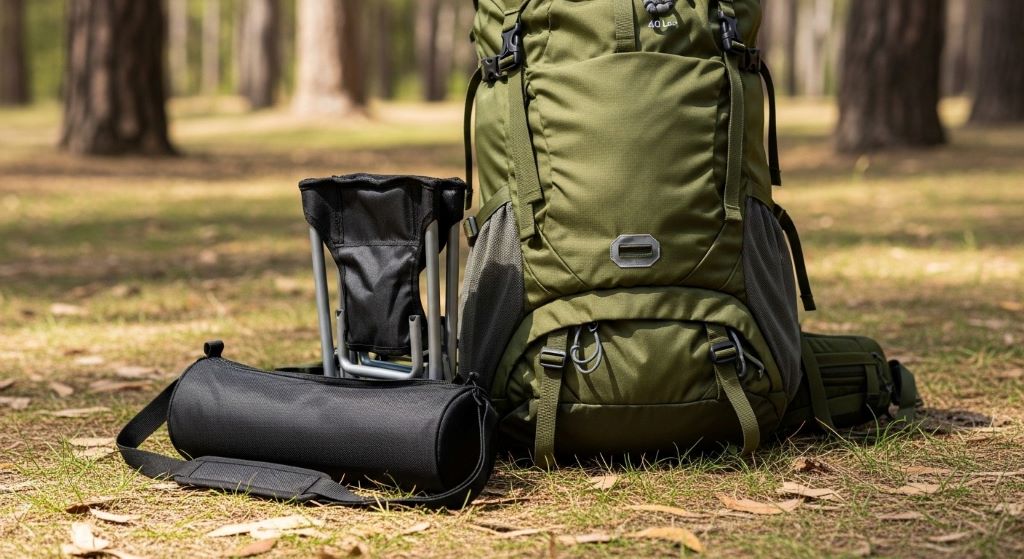
Ultralight backpacking chairs sacrifice some comfort for minimal weight and size. These options are perfect for hikers and backpackers who need to carry everything on their backs. They pack down extremely small, often fitting inside a backpack with room to spare.
Tripod stools offer the smallest packed size but provide limited back support. They’re excellent as secondary seating or for activities where you’ll sit for short periods. Their three-legged design makes them stable on uneven ground while packing into a compact cylinder.
Director’s chairs and rocking chairs provide maximum comfort but require the most space. These luxury options work best for extended camping trips where you have ample vehicle space and won’t need to move camp frequently.
Selecting the Right Chair for Your Needs
Choosing appropriate seating starts with honestly assessing your camping style and transportation method. Your perfect chair depends on how you travel, where you camp, and what activities you plan.
Car campers enjoy more flexibility since weight and packed size matter less. You can prioritize comfort and durability over portability. However, even with a vehicle, efficient packing lets you bring more gear or accommodate more passengers comfortably.
Backpackers must prioritize weight and packed dimensions above all else. Every ounce counts when you’re carrying your home on your back. Therefore, ultralight designs become necessary despite potential comfort trade-offs. Look for chairs weighing less than two pounds that compress into a package smaller than a water bottle.
Motorcycle and bicycle campers fall somewhere between backpackers and car campers. You have some carrying capacity but must still be selective. Packable chairs that balance comfort with reasonable size work well for these adventurers.
Group size influences your chair selection too. Families need multiple chairs that pack efficiently together. Consider chairs that nest inside each other or share carrying cases to reduce overall bulk.
Trip duration affects your priorities as well. Weekend warriors might tolerate less comfortable seating, while extended trips justify bringing slightly heavier chairs that won’t leave you sore after days of use.
Preparing Your Chair for Packing
Proper preparation protects your investment and makes packing significantly easier. Taking a few minutes to prepare your chair saves time and frustration when loading your vehicle or backpack.
Clean your chair thoroughly before packing it away. Dirt, sand, and debris can scratch other gear and make unpacking unpleasant. Brush off loose dirt, then wipe down the frame and fabric with a damp cloth. Allow everything to dry completely before packing to prevent mold and mildew growth.
Check for damage or loose components. Tighten any screws or bolts that have worked loose during previous trips. Replace worn shock cords or fabric before they fail in the field. A chair that falls apart at your campsite becomes worthless, so preventive maintenance pays dividends.
Ensure all parts are present and functional. Some chairs include removable cup holders, storage pouches, or footrests. Account for these accessories and decide whether to pack them with the chair or separately based on your needs.
Familiarize yourself with the folding mechanism. Practice collapsing and expanding your chair several times before your trip. Understanding the proper sequence prevents forcing components and potentially damaging your chair. Additionally, quick setup becomes valuable when you arrive at camp tired and ready to relax.
Mastering Basic Packing Techniques
Efficient packing transforms how much you can bring and how easily you can access what you need. These fundamental techniques apply regardless of your chair type or transportation method.
Use the included carrying case or bag whenever possible. Manufacturers design these cases to perfectly fit the collapsed chair while protecting it during transport. If your chair didn’t include a case, consider purchasing one or making a simple drawstring bag from durable fabric.
Compress the chair as tightly as its design allows. Some chairs feature compression straps that reduce packed size further. However, don’t force components beyond their intended range of motion, as this can cause damage.
Distribute weight evenly when packing multiple chairs. Place heavier chairs on the bottom of your load with lighter items on top. This arrangement keeps your center of gravity low and prevents crushing softer gear.
Utilize dead space strategically. The hollow center of many folded chairs provides perfect storage for clothing, sleeping bags, or other soft items. This nested packing approach maximizes every cubic inch of available space.
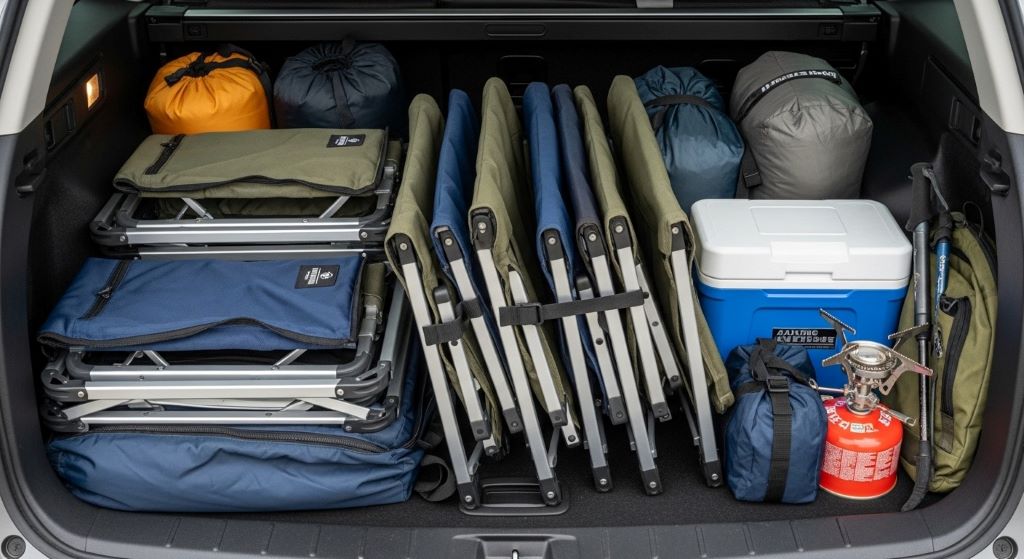
Protect vulnerable components during transport. Chair legs and frames can puncture other gear if not properly cushioned. Wrap pointed ends with cloth or foam, or position them against hard items like coolers or storage containers that won’t be damaged.
Organizing Multiple Chairs Efficiently
Families and groups face unique challenges when packing several chairs. Organization becomes critical for fitting everything while maintaining easy access.
Stack similar chairs together when possible. Identical models often nest partially, reducing overall dimensions. Even different chairs can sometimes stack efficiently if you experiment with various arrangements.
Create a dedicated chair zone in your vehicle or storage area. Keeping all seating together prevents the frustration of searching through packed gear when you arrive at camp. Mark this zone clearly so everyone knows where chairs belong during packing and unpacking.
Assign chairs to specific people when traveling with a group. This responsibility system ensures nothing gets forgotten and helps distribute packing duties. Children can often handle packing their own lightweight chairs, teaching valuable outdoor skills.
Consider a larger carrying solution for multiple chairs. Storage bags or bins designed for camping gear can hold several collapsed chairs plus related accessories. This consolidation simplifies loading and unloading your vehicle dramatically.
Prioritize accessibility based on setup order. The chairs you’ll need first should be easiest to reach. If you typically set up a quick rest area before fully unpacking, keep those chairs near the top of your load.
Integrating Chairs with Your Overall Packing Strategy
Your chairs don’t exist in isolation. They’re part of a complete gear system that must work together efficiently.
Plan your vehicle or backpack loading sequence carefully. Large, rigid items like chairs often work well as a base layer against your vehicle walls or backpack frame. They create a stable foundation for softer, more flexible items.
Group gear by function rather than type. Keep all camp setup items together, including chairs, tables, and shelters. This organization speeds deployment when you arrive and helps ensure nothing gets left behind.
Balance your load side to side and front to back. Uneven weight distribution affects vehicle handling and backpack comfort. Distribute chairs and other heavy items to maintain proper balance.
Leave essential items accessible. Don’t bury your chairs if you plan to take breaks during travel. Similarly, emergency gear should never be hidden beneath layers of camping furniture.
Create a packing list specific to your chair setup. Document which chairs you’re bringing, where they’re packed, and any accessories included. This reference saves time on future trips and helps when multiple people share packing responsibilities.
Maximizing Space with Creative Solutions
Sometimes standard packing methods aren’t enough. These creative approaches help squeeze maximum efficiency from limited space.
Remove carrying cases when packing in tight quarters. While cases protect during transport, they also add bulk. If you’re packing chairs inside a larger bag or container, the outer case becomes redundant. Just ensure chairs are still protected from damage.
Use bungee cords or straps to consolidate irregular shapes. Several chairs bound together often pack more efficiently than individual pieces. This technique works particularly well on roof racks or external backpack attachments.
Fill chair frames with compressible items. Stuff sacks containing clothing, sleeping bags, or towels can fill otherwise wasted space inside tubular frames and between structural components.
Consider alternative mounting locations. Roof racks, trailer hitches, and external backpack lashing points provide options when interior space runs out. However, ensure chairs are securely fastened and protected from weather and road debris.
Reevaluate what you’re bringing if chairs won’t fit. Sometimes the solution isn’t better packing but rather honest assessment of whether you need everything you planned to bring. Eliminating one unnecessary item might create the space your chairs need.
Protecting Your Investment During Transport
Proper packing goes beyond maximizing space. Protecting your gear ensures it remains functional for many trips to come.
Prevent fabric tears and abrasions by avoiding sharp edges. Storage containers, tools, and other hard items can damage chair fabric during bumpy travel. Create barriers using clothing or soft gear between these potential hazards and your chairs.
Secure everything to prevent shifting during transit. Chairs sliding around during travel can damage themselves and surrounding gear. Use cargo nets, straps, or simply pack tightly enough that movement is impossible.
Protect metal frames from moisture and corrosion. If you must pack damp chairs, separate them from other gear using waterproof bags. Remove them from these bags as soon as possible after arriving to prevent corrosion.
Shield chairs from extreme temperatures when possible. Prolonged exposure to heat can degrade fabrics and plastics, while extreme cold can make some materials brittle. Don’t leave packed chairs in hot vehicles longer than necessary.
Inspect after transport for any damage that occurred during the journey. Catching problems early often allows simple repairs before they become serious issues requiring replacement.
Unpacking and Setting Up at Camp
Efficient unpacking is just as important as packing. A good system gets you relaxing quickly rather than wrestling with tangled gear.
Establish a designated unpacking area. Choose a clear, level spot where you can safely lay out chairs and accessories without losing small parts in tall grass or dirt.
Unpack chairs early in your setup sequence. Having somewhere comfortable to sit makes subsequent camp setup tasks more pleasant. Additionally, chairs spread out to air while you handle other tasks, ensuring any moisture from packing evaporates.
Check each chair before use. Verify all locking mechanisms engage properly, fabric is undamaged, and components are secure. This quick inspection prevents uncomfortable surprises when you finally sit down.
Clean dirty components immediately rather than waiting until packing up. Dirt and debris are easier to remove when fresh. This practice also keeps your campsite cleaner and more pleasant.
Store carrying cases and accessories where you won’t lose them. Designate a specific area for empty cases, stakes, and other small items. This organization prevents the frustrating search when it’s time to pack up and move on.
Repacking for the Journey Home
The trip home deserves the same attention to packing efficiency as your initial departure. However, you’ll likely face additional challenges.
Account for dirty chairs that can’t be thoroughly cleaned at your campsite. Pack them in ways that prevent contaminating clean gear. Garbage bags or dedicated dirty gear sacks work well for isolating soiled items.
Verify all components are present before leaving your campsite. It’s easy to forget chair accessories at camp, especially if they were separated during use. Double-check fire rings, picnic areas, and anywhere else you might have relocated chairs.
Dry everything as thoroughly as possible before packing. Even if you can’t achieve perfect dryness, air out chairs for as long as time allows. Moisture leads to mold and unpleasant odors during storage.
Pack more loosely for the return trip if you have flexibility. Dirty gear often requires more space, and you’ll likely be tired from your adventure. Don’t stress about achieving the same precise packing you managed when departing.
Plan to unpack and clean thoroughly upon returning home. Never store dirty, damp camping gear. Set aside time immediately after your trip to clean, dry, and properly store chairs for their next adventure.
Long-Term Storage Considerations
Proper storage between trips extends your chairs’ lifespan and keeps them ready for spontaneous adventures.
Store chairs in a cool, dry location. Garages, sheds, and basements work well if they’re climate-controlled and moisture-free. Avoid hot attics or damp crawl spaces that accelerate material degradation.
Keep chairs in their carrying cases for protection. Cases shield from dust, pests, and accidental damage during storage. If cases aren’t available, cover chairs with breathable fabric rather than plastic, which can trap moisture.
Avoid storing chairs under heavy items that might bend frames or compress fabric. Hanging storage often works better than stacking, preserving chair shape and function.
Periodically inspect stored chairs even when not in use. Check for rust, fabric damage, or pest activity. Early detection allows simple corrections before problems become serious.
Consider seasonal rotation of your camping gear. Bring chairs inside during winter months if you store them in unheated spaces. Temperature extremes and moisture fluctuations harm materials over time.
Conclusion
Packing camping chairs efficiently requires understanding your equipment, transportation method, and personal priorities. Compact outdoor chairs and packable chairs designs have revolutionized how we bring comfort into the wilderness without sacrificing valuable space for other essential gear.
The key principles remain consistent regardless of your specific situation. Choose appropriate chairs for your camping style, prepare them properly before packing, and use strategic placement within your overall gear system. Protect your investment during transport through careful organization and protective measures.
Remember that efficient packing serves a larger purpose beyond simply fitting everything into your vehicle or backpack. It reduces stress, speeds up camp setup, and ensures you have the comfort items that make outdoor adventures truly enjoyable. Additionally, well-maintained and properly stored chairs will serve you reliably for many years.
Take time to experiment with different packing arrangements before your trip. What works perfectly for one person might not suit your specific gear combination and transportation method. Through practice and adjustment, you’ll develop a system that becomes second nature, allowing you to focus on what really matters: enjoying your time in nature.
Frequently Asked Questions
How small can camping chairs really pack down?
Modern ultralight camping chairs can compress to the size of a water bottle, typically around 12 to 14 inches long and 4 to 5 inches in diameter. These designs weigh between one and two pounds and fit easily inside or outside a backpack. However, larger chairs offering more comfort typically pack to about the size of a rolled sleeping bag. The smallest options sacrifice some stability and back support, so consider your priorities when choosing between packability and comfort.
Should I bring one larger comfortable chair or multiple smaller ones?
This decision depends on your group size and camping style. Solo campers benefit from one quality chair that meets their comfort needs. Families and groups should prioritize having enough seating for everyone, even if it means choosing slightly less comfortable options. Consider bringing one premium chair for the person with back problems or who will sit most, plus simpler options for others. Having somewhere for everyone to sit dramatically improves the camping experience.
Can I pack camping chairs in checked luggage for air travel?
Yes, most camping chairs can be packed in checked luggage, though you should verify weight and size restrictions with your airline. Remove any compressed gas components like air pumps, as these aren’t permitted. Pack chairs in the center of your luggage surrounded by soft items for protection. However, consider whether renting chairs at your destination might be more practical than paying excess baggage fees and risking damage during handling.
How do I prevent my camping chair from damaging other gear during transport?
Wrap pointed chair legs and frame ends with foam pipe insulation or cloth secured with rubber bands or tape. Pack chairs against rigid items like coolers or plastic storage containers rather than next to soft sleeping bags or clothing. Use the chair’s carrying case if provided, as these often include padding. Position chairs along vehicle walls or in dedicated compartments where they won’t shift during travel. These precautions protect both your chairs and surrounding gear.
What’s the best way to dry camping chairs before packing them away?
Set up chairs in direct sunlight and allow them to air dry completely, paying special attention to fabric seams and joints where moisture collects. Wipe metal frames with a dry cloth to remove surface water and prevent rust. If you must pack chairs damp, place them in breathable bags rather than sealed plastic, and unpack them immediately upon returning home. Never store chairs long-term while damp, as this causes mold, mildew, and material degradation that will ruin your investment.
Related Topics:
How to Find Affordable Luggage for Travel Without Compromising Quality
Where to Travel for Over 60 Years Old Without Long Walking Tours