

01 May Common Street Food Illnesses in Vietnam
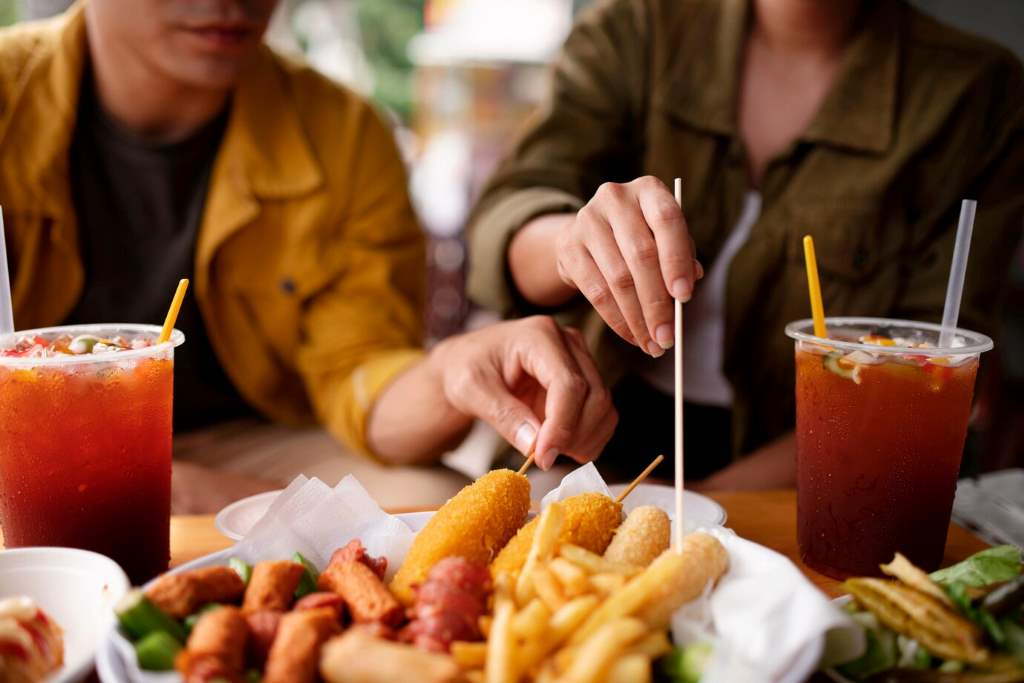
Vietnam’s street food scene is a vibrant tapestry of flavors. From steaming bowls of phở to crispy bánh mì, every bite tells a story of culture and tradition. I remember my first night in Hanoi, sitting on a tiny stool, savoring a bowl of bun cha. The smoky pork and tangy fish sauce were unforgettable. But the next day, my stomach churned, and I learned a hard lesson about food safety. Street food is a highlight of any Vietnam trip, but it comes with risks. According to the World Health Organization, unsafe food causes 600 million illnesses globally each year, with Southeast Asia, including Vietnam, being a hotspot. This blog post will guide you through common street food illnesses in Vietnam, share practical tips to stay healthy, and help you enjoy your culinary journey worry-free. Let’s dive into common street food illnesses in Vietnam.
Understanding Common Street Food Illnesses in Vietnam
Street food illnesses in Vietnam often stem from bacterial, viral, or parasitic contamination. The most frequent culprits include diarrhea, vomiting, and stomach cramps. According to a 2019 WHO report, diarrheal diseases from contaminated food affect 550 million people annually, with Vietnam reporting around 180 foodborne outbreaks yearly. Bacteria like E. coli, Salmonella, and Vibrio cholerae thrive in warm, humid conditions, especially where hygiene is lax. For instance, improper handling of raw meat or unwashed vegetables can lead to Salmonella infections, causing fever and nausea within 6–72 hours.
Hepatitis A, a viral infection, is another concern, often spread through contaminated water or undercooked shellfish. Symptoms like jaundice and fatigue can linger for weeks. Parasites, such as Giardia, may contaminate fresh herbs or water, leading to prolonged digestive issues. My Hanoi mishap was likely traveler’s diarrhea, a common issue for foreigners unaccustomed to local bacteria. These illnesses, while usually not life-threatening, can ruin your trip. Understanding their causes—poor hygiene, unsafe water, or improper storage—empowers you to make safer choices. Next, we’ll explore why street food poses unique risks.

Why Street Food Poses Risks
Vietnam’s street food is prepared in open-air settings, which adds charm but also risks. Vendors often lack access to clean water or proper refrigeration, increasing contamination chances. A 2022 study in Can Tho city found that only 60% of street vendors complied with Vietnam’s food safety criteria, citing inadequate infrastructure as a key issue. Dust, flies, and stray animals near stalls can carry pathogens onto food. Additionally, high turnover doesn’t always mean safety; busy stalls may reuse oil or skip thorough cleaning to save time.
Handling money and food with the same hands is another concern. A 2019 study by Nurturing Nutrition noted that bacteria on Vietnamese banknotes can transfer to food if vendors don’t use gloves. Tap water, often used to rinse utensils or vegetables, isn’t safe to drink and may harbor E. coli. My own experience taught me to watch for these red flags. I once saw a vendor rinse plates in murky water, and I walked away. By recognizing these risks—environmental exposure, poor hygiene, and unsafe water—you can choose safer dining options. Let’s now look at specific illnesses to watch for.
Key Illnesses to Watch For
Several common street food illnesses in Vietnam are common. Here’s a breakdown of the main ones:
- Traveler’s Diarrhea: Caused by bacteria like E. coli or Campylobacter, it affects up to 50% of travelers, per the CDC. Symptoms include loose stools, cramps, and dehydration, often within days of eating contaminated food.
- Salmonella Poisoning: Linked to undercooked meat or eggs, it causes fever, diarrhea, and nausea. A 2020 outbreak in Ho Chi Minh City traced back to a street vendor’s chicken dish affected 8 people.
- Hepatitis A: Spread through contaminated water or food, it leads to liver inflammation. Vaccination can prevent it, but unvaccinated travelers are at risk.
- Cholera: Rare but serious, it’s caused by Vibrio cholerae in contaminated water or seafood. Symptoms include severe diarrhea and dehydration.
These illnesses often result from improper food handling or unclean water. For example, raw herbs in phở, if not washed properly, can carry parasites. My stomach upset in Hanoi likely came from unwashed lettuce in a bún chả dish. Knowing these risks helps you stay vigilant. Next, we’ll share practical tips to eat safely.
Practical Tips to Stay Safe
Enjoying Vietnam’s street food safely requires caution and smart choices. Here are actionable tips to reduce risks:
- Choose Busy Stalls: High customer turnover means fresher food. A 2021 XO Tours blog noted that stalls with crowds, like those in Ben Thanh Market, often have safer food due to quick ingredient use.
- Check Hygiene Practices: Look for vendors wearing gloves or using tongs. Avoid stalls where the same person handles money and food. Clean utensils and dry plates are a must.
- Opt for Cooked Foods: Heat kills bacteria, so choose piping-hot dishes like phở or grilled meats. Avoid raw or undercooked seafood and vegetables unless peeled or blanched.
- Drink Bottled Water: Tap water isn’t safe. Stick to sealed bottled water from reputable brands like Dasani or Lavie. Avoid ice at small stalls, as it may be made from tap water.
- Carry Hand Sanitizer: Wash hands before eating or use sanitizer. A 2019 WHO report emphasized hand hygiene to prevent foodborne illnesses.
- Pace Yourself: Eating too much new food can upset your stomach. Start with small portions to let your body adjust.
I now always carry sanitizer and check for clean utensils before eating. These steps let me enjoy street food with confidence. Let’s explore how to handle illness if it strikes.
What to Do If You Get Sick
Despite precautions, illness can happen. Here’s how to manage it:
- Stay Hydrated: Diarrhea causes dehydration. Drink bottled water or oral rehydration solutions like Pedialyte, available at Vietnamese pharmacies.
- Rest and Recover: Most cases of traveler’s diarrhea resolve in 1–3 days. Rest and avoid heavy foods.
- Seek Medical Help: If symptoms like vomiting or fever persist beyond 48 hours, visit a hospital. Major cities like Hanoi and Ho Chi Minh City have clinics like Vinmec with English-speaking staff.
- Use Over-the-Counter Meds: Imodium can ease diarrhea, but consult a doctor for antibiotics if symptoms worsen. I carried probiotics on my second Vietnam trip, which helped my digestion adjust.
- Report Outbreaks: If you suspect a vendor caused illness, report it to local health authorities or your tour operator to prevent further cases.
My Hanoi experience taught me to act fast. After drinking plenty of bottled water and resting, I recovered in two days. Knowing these steps can save your trip. Next, we’ll discuss long-term prevention strategies.
Long-Term Prevention Strategies
Preventing street food illnesses goes beyond one trip. Consider these strategies:
- Get Vaccinated: Hepatitis A and typhoid vaccines offer protection. The CDC recommends them for Vietnam travelers.
- Join Guided Tours: Street food tours, like those by XO Tours, vet vendors for safety. My second trip included a guided tour in Da Nang, and I had no issues.
- Learn Local Practices: Research safe vendors via reviews on platforms like TripAdvisor. Locals often know which stalls are trustworthy.
- Build Gut Resilience: Probiotics before and during travel can strengthen your gut. A 2020 study in Travel Medicine Journal found probiotics reduced diarrhea risk by 8%.
These steps build confidence for future adventures. My guided tour experience showed me how locals prioritize hygiene, making me a savvier eater. Now, let’s wrap up with a call to embrace Vietnam’s food safely.
Conclusion
Vietnam’s street food is a culinary treasure, but it demands respect for safety. From my Hanoi mishap to confident dining in Da Nang, I’ve learned that vigilance lets you savor every bite worry-free. By choosing busy stalls, prioritizing cooked foods, and staying hydrated, you can minimize risks like traveler’s diarrhea or Salmonella. The WHO and local studies highlight the importance of hygiene, but with the right precautions, you can dive into Vietnam’s food scene fearlessly. Whether it’s a bowl of phở or a bánh mì, each dish is a story of culture and community. Share your own street food tips or experiences in the comments below, or spread this guide to help fellow travelers. Let’s keep the adventure delicious and safe!
Have you tried Vietnam’s street food? Share your stories or safety tips in the comments, or share this post with friends planning a trip!
FAQs
What are the most common street food illnesses in Vietnam?
Traveler’s diarrhea, Salmonella poisoning, and Hepatitis A are common, often caused by contaminated food or water.
How can I tell if a street food stall is safe?
Look for busy stalls, clean utensils, and vendors using gloves or tongs. Avoid places with poor hygiene.
Is it safe to eat raw vegetables in Vietnam?
Raw vegetables can carry bacteria. Opt for peeled or blanched vegetables to reduce risks.
What should I do if I get food poisoning in Vietnam?
Stay hydrated, rest, and seek medical help if symptoms like vomiting persist beyond 48 hours.
Are street food tours safer than eating on my own?
Yes, guided tours vet vendors for hygiene, reducing the risk of illness significantly.