


25 May Beyond the Sleeping Bag: Creating Comfortable Sleeping Arrangements for Senior Campers
Camping offers a refreshing escape into nature, a chance to reconnect with the outdoors, and create lasting memories. For senior adventurers, however, the traditional “roughing it” approach can sometimes lead to discomfort, aches, and a less-than-restful night’s sleep. But a fulfilling camping experience doesn’t have to mean sacrificing comfort, especially when it comes to getting quality Zs. With thoughtful planning and the right gear, senior campers can enjoy the tranquility of the wilderness without the usual strains of sleeping on uneven ground.
This comprehensive guide delves into strategies and equipment designed to optimize sleeping comfort for senior campers, ensuring they wake up refreshed and ready for a day of outdoor enjoyment.
The Unique Sleep Needs of Senior Campers
As we age, our bodies change. Joints may become stiffer, backs more sensitive, and temperature regulation can be a greater challenge. These physiological shifts directly impact how we sleep, especially in a non-traditional environment like a tent or RV.
- Joint and Back Support: Sleeping on a thin pad on hard ground can exacerbate existing joint pain or create new discomfort in the back, hips, and knees. Adequate cushioning and support are paramount.
- Temperature Regulation: Older adults may be more susceptible to cold or heat. Proper insulation and breathable materials are crucial for maintaining a comfortable body temperature throughout the night.
- Ease of Movement: Getting in and out of a low-lying sleeping bag or tent can be challenging. Higher sleeping surfaces and ample tent space are beneficial.
- Accessibility: Midnight trips to the restroom or simply moving around the sleeping area require easy navigation, especially in the dark. Good lighting and clear pathways are key.
- Familiarity and Routine: While camping is about embracing the new, a touch of familiarity in sleeping arrangements can aid relaxation and improve sleep quality.
Addressing these specific needs is the foundation of creating truly comfortable sleeping arrangements for senior campers.
Choosing Your Sleep Sanctuary: Tents, RVs, and Beyond
The first step to comfortable camping sleep is selecting the right shelter.
-
Spacious Tents for Easier Movement:
Forget the cramped backpacking tents. For senior campers, a tent that offers ample headroom and floor space is a game-changer.
- Standing Room: Look for tents that allow you to stand upright comfortably. This eliminates the need for awkward crouching or crawling, making entry, exit, and dressing much easier. Tents designed for 4-6 people, even for one or two campers, often provide this necessary space.
- Easy Setup: Pop-up tents or those with color-coded poles and intuitive designs can significantly reduce setup time and effort, preventing pre-sleep fatigue.
- Accessibility Features: Some newer tents offer wider doorways or lower thresholds, improving accessibility for those with mobility challenges.
- Ventilation: Good ventilation is crucial to prevent stuffiness and condensation. Look for tents with multiple large mesh windows and vents for optimal airflow.
-
The RV Advantage: A Home Away From Home:
For ultimate comfort and convenience, an RV or camper van offers a mobile bedroom experience.
- Real Beds: Many RVs come equipped with traditional mattresses, providing a familiar and supportive sleeping surface.
- Climate Control: RVs typically have heating and air conditioning, allowing for precise temperature regulation regardless of external conditions.
- Private Facilities: Onboard bathrooms eliminate late-night walks to public facilities, a significant comfort factor.
- Ease of Access: No crawling or bending required! RVs offer a much more accessible sleeping environment.
- Variety of Options: From spacious Class A motorhomes to more compact camper vans, there’s an RV size and style to suit every preference and budget.
-
Alternative Sleep Solutions:
While tents and RVs are popular, consider other options:
- Cabins or Yurts: Many campgrounds offer fixed accommodations like cabins or yurts, which often include beds and other amenities, providing a comfortable stepping stone into outdoor living.
- Car Camping Adaptations: For those who prefer to sleep in their vehicle, car camping can be made comfortable with custom-built platforms, inflatable mattresses, and window covers for privacy.
The Foundation of Comfort: Sleeping Surfaces
Once your shelter is chosen, the sleeping surface is the most critical element for a good night’s rest.
-
Elevate Your Sleep: Camping Cots:
Camping cots are a fantastic option for senior campers as they lift you off the cold, hard ground and provide a more bed-like experience.
- Height Matters: Look for cots that are high enough to allow for easy sitting and standing, similar to a traditional bed. Many cots are 15-20 inches off the ground.
- Sturdy Construction: Choose cots with robust frames and durable fabric that can support your weight comfortably and remain stable throughout the night.
- Wide and Long: Opt for cots that are wider and longer than standard to allow for more movement and prevent feeling confined.
- Ease of Setup/Takedown: While some cots can be a bit tricky to assemble, many newer models feature user-friendly designs for quicker deployment.
- Combine with a Pad: For ultimate comfort, combine a cot with a good sleeping pad to add cushioning and insulation.
Recommended Cots for Seniors:
- Coleman ComfortSmart Deluxe Cot: Known for its thick mattress pad and sturdy steel frame, offering a plush and stable sleep.
- Teton Sports Outfitter XXL Cot: An oversized option providing ample space and a high weight capacity for larger or taller campers.
- ABORON Folding Camping Cot with Mat: Many models include a built-in mat for added comfort and insulation.
-
Plush Support: Air Mattresses:
Air mattresses can transform a tent floor into a remarkably comfortable bed.
- Raised Air Beds with Built-in Pumps: These are ideal, offering significant height for easy access and an integrated electric pump for effortless inflation and deflation (especially if you have an electrical hookup at your campsite).
- Thickness and Firmness: Choose a mattress with sufficient thickness (4 inches or more) to prevent feeling the ground. Look for models that allow you to adjust firmness to your preference.
- Insulation: Air mattresses can be cold without proper insulation. Consider models with integrated insulation or place a thick wool blanket or a closed-cell foam pad underneath for warmth.
- Durability: Opt for reputable brands known for puncture-resistant materials and reliable valves.
-
The Versatile Sleeping Pad:
Even if you’re using a cot, a good sleeping pad adds crucial insulation and extra cushioning. For tent campers who prefer not to use a cot, a high-quality sleeping pad is essential.
- Self-Inflating Pads: These pads partially inflate on their own, requiring minimal effort to top off with air. They offer a good balance of comfort, insulation, and ease of use. Look for thicker models for better support.
- Air Pads: While requiring more inflation effort (often with a pump sack), air pads can offer significant thickness and adjustable firmness, providing excellent cushioning. Many have high R-values for superior insulation.
- R-Value: This rating indicates the pad’s insulating properties. Higher R-values (3.0 and above) are recommended for colder temperatures, preventing heat loss to the ground.
- Width and Length: Choose a pad that is wide enough to prevent your arms from falling off and long enough to support your entire body.
- Material: Look for soft, durable fabrics that won’t feel slick or noisy.
Recommended Sleeping Pads for Seniors:
- Exped MegaMat Duo 10: A luxurious self-inflating pad known for its thickness and comfort, akin to a home mattress.
- Therm-a-Rest MondoKing 3D: Another highly-rated self-inflating pad offering exceptional comfort and insulation.
- Big Agnes Rapide SL Insulated: Offers good cushioning and insulation in a relatively lightweight package.
Related: Ultimate Guide to Renting Bikes in Moab for National Park Trails
Beyond the Bed: Essential Comfort Accessories
A comfortable sleep setup extends beyond the main sleeping surface.
-
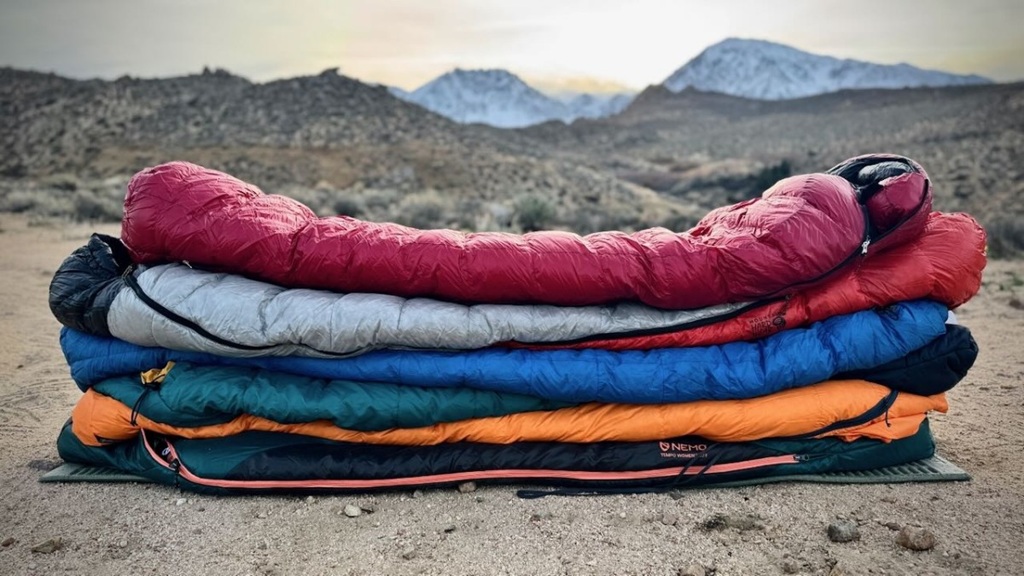
Sleeping Bags for Optimal Warmth and Space:
- Temperature Rating: Choose a sleeping bag with a temperature rating appropriate for the lowest expected nighttime temperatures, plus a buffer. It’s always better to be too warm and unzip than too cold.
- Shape: Rectangular sleeping bags offer more legroom and space to move around compared to mummy-style bags, which can feel restrictive.
- Insulation Type: Down offers excellent warmth-to-weight ratio but can be expensive and lose insulation when wet. Synthetic insulation performs well in damp conditions and is often more budget-friendly.
- Zippers: Look for two-way zippers that are easy to operate and don’t snag.
-
Pillows: Don’t Compromise on Neck Support:
Bring your favorite pillow from home if car camping! For backpacking, consider an inflatable camp pillow with good neck support. Some even offer a soft, washable cover for added luxury.
-
Layers for Adaptive Comfort:
- Warm Pajamas: Clean, dry thermal underwear or comfortable sleepwear is crucial for warmth and hygiene.
- Extra Blankets: A cozy fleece or wool blanket draped over your sleeping bag can add significant warmth on chilly nights.
- Socks and Hats: Don’t underestimate the power of warm socks and a beanie to retain body heat, especially during sleep.
-
Creating a Cozy Tent Environment:
- Tent Rug or Floor Mat: A large camping rug or mat on the tent floor adds insulation, warmth, and a soft surface for bare feet, making the tent feel more like a room.
- Organizers: Hanging organizers can keep essentials like glasses, medications, and flashlights within easy reach, preventing nighttime fumbling.
- Lighting: A small, dimmable LED lantern inside the tent provides gentle illumination for reading or navigating, avoiding harsh bright lights. A headlamp is also essential for hands-free movement outside the tent.
- Earplugs and Eye Mask: If you’re a light sleeper or sensitive to light, these can make a big difference in a campground environment.
Pre-Trip Planning and On-Site Tips
Comfortable sleep starts long before you zip up your sleeping bag.
- Research Campsites: Choose campgrounds with level tent pads or flat areas. Look for sites close to accessible restrooms and with electrical hookups if you plan to use an electric air pump or other powered devices. Reviews from other senior campers can be invaluable.
- Practice Setup: Before your trip, practice setting up your tent and inflating your sleeping arrangements. This builds confidence and identifies any potential challenges.
- Pack Smart: Use a detailed checklist to ensure you don’t forget any comfort essentials. Pack medications in a clearly labeled, easily accessible bag.
- Stay Hydrated but Mindful: Drink plenty of water throughout the day, but limit liquids closer to bedtime to minimize nighttime bathroom trips.
- Establish a Routine: Try to maintain some semblance of your usual bedtime routine. Read a book, listen to calming music, or simply relax before turning in.
- Dress in Layers for Bed: Avoid overdressing inside your sleeping bag, as this can compress the insulation and reduce its effectiveness. Instead, layer appropriate sleepwear and add blankets on top of the sleeping bag if needed.
- Hot Water Bottle: A warm water bottle placed at the foot of your sleeping bag can provide comforting warmth on cold nights.
- Elevate Your Feet (if needed): If you experience swollen ankles or feet, consider elevating them slightly with a small pillow or rolled-up blanket.
Related: What to Do If You Lose Your Passport in Italy
Conclusion: Embrace the Outdoors, Comfortably
Camping offers incredible benefits for seniors, from physical activity and fresh air to mental well-being and connection with nature. By prioritizing comfortable sleeping arrangements, senior campers can fully embrace these joys without the discomfort that often accompanies traditional camping. Investing in the right gear and adopting a thoughtful approach to sleep will transform your outdoor adventures from a test of endurance into truly restful and rejuvenating experiences. So, pack smart, plan ahead, and get ready to enjoy the great outdoors, one comfortable night at a time!