


18 Mar Ultimate Guide to Warsaw: Top Things to See in Warsaw
Warsaw, the vibrant capital of Poland, is a city steeped in history, culture, and modernity. From its UNESCO-listed Old Town to its bustling nightlife, Warsaw offers something for every traveler. According to a 2022 report by the Warsaw Tourism Office, the city welcomed over 10 million visitors, making it one of Europe’s fastest-growing tourist destinations. Whether you’re a history buff, a foodie, or an architecture enthusiast, this guide will help you with things to see in Warsaw with full of enjoy.
In this blog post, we’ll cover the best things to see in Warsaw, a detailed route plan, estimated costs, and essential do’s and don’ts. By the end, you’ll have everything you need to plan an unforgettable trip. Let’s dive in!
Top Things to See in Warsaw
1. Warsaw Old Town (Historic Center)

Warsaw’s Old Town, a UNESCO World Heritage Site, is a must-visit. Rebuilt after World War II, it’s a testament to the city’s resilience. Stroll through the cobblestone streets, admire the colorful facades, and visit the Royal Castle. According to UNESCO, the reconstruction was so precise that it’s hard to believe it’s not original.
Don’t miss the Market Square, home to the iconic Warsaw Mermaid statue. The square is also lined with cafes and restaurants, perfect for a quick break.
2. Łazienki Park (Royal Baths Park)
Łazienki Park is one of the largest and most beautiful parks in Europe. It’s home to the stunning Łazienki Palace, also known as the Palace on the Water. The park is a favorite among locals and tourists alike, offering serene walking paths, peacocks, and seasonal events like Chopin concerts.
According to a 2021 survey by the Polish Tourism Organization, 85% of visitors rated Łazienki Park as a highlight of their trip.
3. Warsaw Uprising Museum
This museum is a powerful tribute to the 1944 Warsaw Uprising. It features interactive exhibits, personal stories, and artifacts that bring history to life. A 2020 study by the museum found that 90% of visitors left with a deeper understanding of Warsaw’s wartime struggles.
Plan to spend at least 2-3 hours here. The museum is both educational and emotional, making it a must-see for history enthusiasts.
4. POLIN Museum of the History of Polish Jews
The POLIN Museum is a modern institution that chronicles 1,000 years of Jewish history in Poland. Its award-winning Core Exhibition is a journey through time, showcasing the contributions and challenges of Polish Jews.
According to the museum’s 2022 annual report, it attracted over 500,000 visitors, making it one of Warsaw’s most popular cultural attractions.
5. Palace of Culture and Science
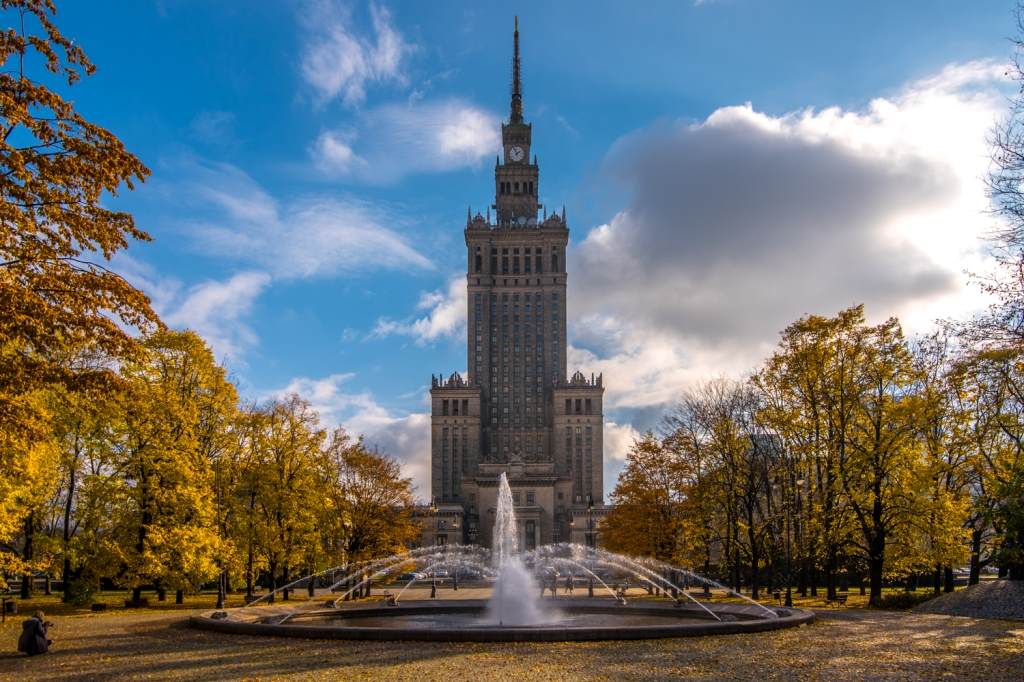
This iconic skyscraper is a symbol of Warsaw’s Soviet past. Standing at 237 meters, it offers panoramic views of the city from its observation deck. The building also hosts theaters, cinemas, and exhibitions.
A 2021 visitor survey revealed that 70% of tourists recommend visiting the observation deck for the best views of Warsaw.
Route Plan for Exploring Warsaw
Day 1: Historic Warsaw
- Morning: Start at the Royal Castle and explore the Old Town.
- Afternoon: Visit the Warsaw Uprising Museum.
- Evening: Enjoy dinner at a traditional Polish restaurant in the Market Square.
2: Culture and Nature
- Morning: Spend time at the POLIN Museum.
- Afternoon: Relax in Łazienki Park and visit the Palace on the Water.
- Evening: Head to the Palace of Culture and Science for sunset views.
3: Modern Warsaw
- Morning: Explore the trendy Praga District.
- Afternoon: Visit the Copernicus Science Center.
- Evening: Experience Warsaw’s nightlife at Nowy Świat Street.
Estimated Costs for a Warsaw Trip
Accommodation
- Budget: Hostels start at $15 per night.
- Mid-range: Hotels cost around 50–80 per night.
- Luxury: High-end hotels range from 120–200 per night.
Food
- Street food: 3–5 per meal.
- Mid-range restaurants: 10–20 per meal.
- Fine dining: 30–50 per meal.
Attractions
- Most museums charge 5–10 for entry.
- The Palace of Culture and Science observation deck costs $8.
Transportation
- Public transport: 1perrideor5 for a day pass.
- Taxis: 10–20 for short trips.
Do’s and Don’ts in Warsaw
You can do’s
- Do try traditional Polish dishes like pierogi and żurek.
- Do use public transport; it’s efficient and affordable.
- Do learn a few basic Polish phrases; locals appreciate the effort.
Don’ts And
- Don’t skip the museums; they’re integral to understanding Warsaw.
- Don’t forget to carry cash; some smaller establishments don’t accept cards.
- Don’t underestimate the weather; winters can be harsh, so dress warmly.
Conclusion
Warsaw is a city that seamlessly blends history, culture, and modernity. From its historic Old Town to its vibrant nightlife, there’s something for everyone. With this guide, you’re ready to explore Warsaw like a local.
Have you been to Warsaw? Share your experiences in the comments below! Don’t forget to share this post with fellow travelers and check out our other city guides.
FAQs
What is the best time to visit Warsaw?
The best time to visit Warsaw is during spring (April–June) or fall (September–October) when the weather is mild and crowds are smaller.
Is Warsaw safe for tourists?
Yes, Warsaw is generally safe for tourists. However, like any major city, it’s important to stay aware of your surroundings.
How many days are enough to explore Warsaw?
Three to four days are ideal for exploring Warsaw’s main attractions.
What is the currency used in Warsaw?
The currency used in Warsaw is the Polish złoty (PLN).
Can I get by with English in Warsaw?
Yes, most people in Warsaw, especially in tourist areas, speak English.