

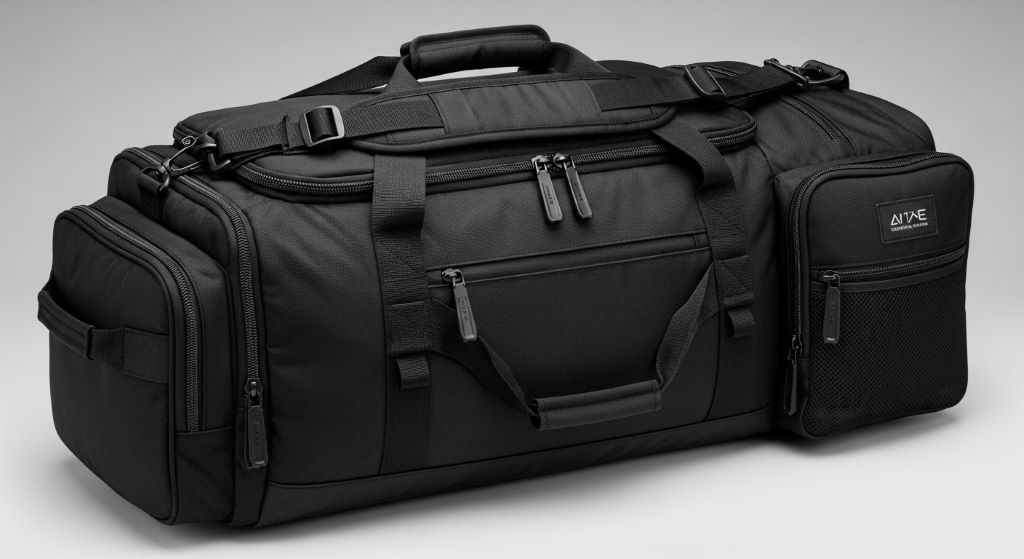
11 Mar How to Choose the Best Affordable Duffel Bags for Travel and Gym in 2026
Finding the perfect bag for your adventures doesn’t mean breaking the bank. Whether you’re heading to the gym after work or catching a flight across the country, the right duffel bag can make all the difference. This guide will walk you through everything you need to know about selecting quality bags that fit your lifestyle and budget.
Understanding Your Needs Before Shopping
Before diving into stores or browsing online, take a moment to assess what you actually need. Different activities require different features, and knowing your priorities will save you time and money.
Think about how often you’ll use the bag. Daily gym-goers need something durable that can withstand constant wear and tear. Weekend travelers, however, might prioritize storage capacity over extreme durability. Additionally, consider where you’ll be taking your bag. Airport security lines demand easy-access compartments, while gym lockers require compact designs.
Your lifestyle plays a crucial role too. Commuters who bike or walk need comfortable shoulder straps and weather-resistant materials. Drivers, on the other hand, might prefer bags with more structure that won’t collapse in the trunk.
Essential Features That Matter Most
When evaluating options, certain features prove more valuable than others. Understanding these elements helps you identify quality products regardless of price point.
Material quality stands as the foundation of any good duffel bag. Look for reinforced stitching at stress points like handles and shoulder straps. Water-resistant fabrics protect your belongings from unexpected weather, though fully waterproof options typically cost more. Polyester and nylon offer excellent durability without premium pricing.
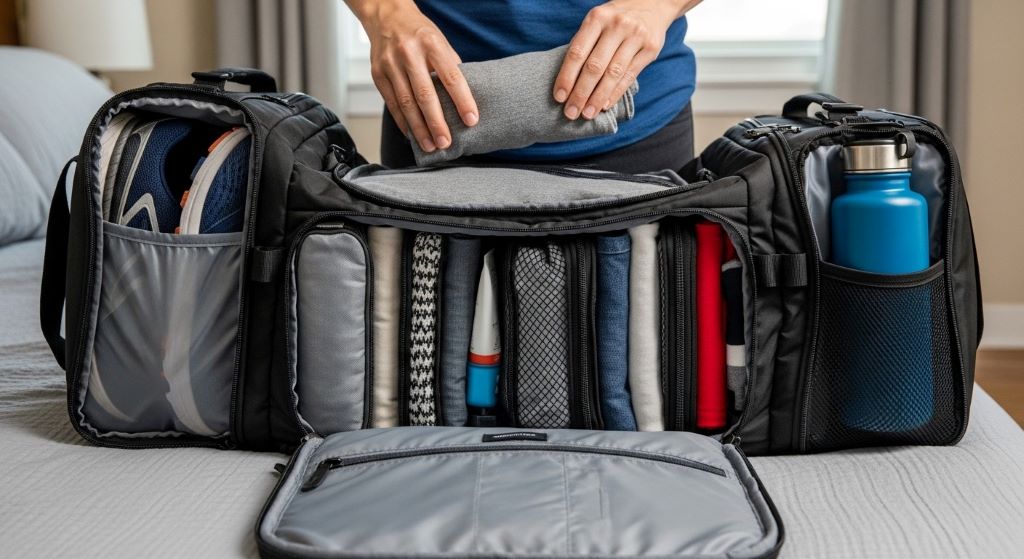
Compartmentalization transforms a simple bag into an organizational powerhouse. Separate shoe compartments keep dirty sneakers away from clean clothes. Internal pockets secure valuables and small items that otherwise get lost in the main cavity. External pockets provide quick access to items you need frequently.
Comfort features become increasingly important for longer trips. Padded shoulder straps distribute weight evenly across your body. Some bags include removable straps, offering versatility between carrying methods. Handles should feel sturdy and comfortable in your grip, even when the bag is fully loaded.
Size Considerations for Different Activities
Choosing the right size prevents both overpacking and running out of space. Manufacturers typically measure duffel bags in liters or by dimensions.
For gym use, bags between 30 and 50 liters work perfectly. This size accommodates workout clothes, shoes, toiletries, and a water bottle without feeling bulky. Many gyms provide lockers that fit bags in this range comfortably.
Weekend getaways require slightly larger options, usually between 50 and 70 liters. This capacity holds three to four days’ worth of clothing plus toiletries and accessories. However, check airline carry-on restrictions if you plan to avoid checked baggage fees.
Extended travel demands bags in the 70 to 90-liter range. These larger options can serve as checked luggage for week-long trips. Keep in mind that bigger bags tempt overpacking, which can lead to excess weight charges at airports.
Where to Find the Best Deals
Smart shoppers know that timing and location significantly impact pricing. Several strategies help you secure quality bags without paying full retail price.
End-of-season sales offer incredible opportunities. Retailers clear inventory during spring and fall transitions, often marking down perfectly good items by 40 to 60 percent. Online marketplaces frequently run flash sales, especially during major shopping holidays.
Outlet stores carry brand-name products at reduced prices. These items might be from previous seasons or have minor cosmetic imperfections that don’t affect functionality. Factory outlets often stock discontinued colors or styles at substantial discounts.
Membership warehouse clubs provide another avenue for savings. These retailers negotiate bulk pricing with manufacturers, passing savings to members. While you’ll pay an annual fee, the overall value often justifies the cost if you shop there regularly.
Evaluating Quality Without Overspending
Price doesn’t always reflect quality, especially in the duffel bag market. Learning to assess construction helps you avoid both overpriced products and poorly made alternatives.
Examine the zipper quality carefully. Heavy-duty zippers with reinforced pulls last longer than flimsy alternatives. The zipper should glide smoothly without snagging or sticking. Double zippers on main compartments add convenience and redundancy.
Check the stitching pattern throughout the bag. Double or triple stitching at stress points indicates better construction. Uneven stitching or loose threads suggest rushed manufacturing and potential durability issues.
Test the hardware by tugging handles and straps gently. Metal hardware generally outlasts plastic alternatives, though high-quality plastic components work fine for lighter use. Adjustable straps should lock securely at your desired length.
Material Types and Their Benefits
Different materials serve different purposes, and understanding these distinctions helps you make informed choices.
Polyester dominates the affordable duffel market for good reason. This synthetic fabric resists abrasion, dries quickly, and maintains its shape over time. Additionally, polyester takes dye well, offering countless color and pattern options.
Nylon provides similar benefits with slightly better tear resistance. Ripstop nylon features a crosshatch pattern that prevents small tears from spreading. This makes it ideal for travel situations where bags might encounter rough handling.
Canvas offers a classic aesthetic with natural durability. However, untreated canvas absorbs water, so look for waxed or coated versions. Canvas bags often cost slightly more but develop character over time.
Some manufacturers blend materials to optimize performance. A polyester body with nylon reinforcements at high-wear areas combines affordability with strategic durability.
Color and Style Considerations
While functionality matters most, appearance influences satisfaction with your purchase. Choose colors and styles that match your personality and practical needs.
Dark colors hide dirt and wear better than light shades. Black, navy, and charcoal gray remain popular choices for this reason. However, bright colors make bags easier to spot on airport carousels or in crowded gym locker rooms.
Patterns add visual interest but may limit versatility. Solid colors work in more situations, from professional settings to casual outings. Consider where you’ll carry the bag most often when evaluating design options.
Reflective elements enhance safety for evening commutes or early morning gym sessions. Some bags incorporate reflective strips or logos that increase visibility without compromising style.
Brand Reputation Versus Generic Options
Well-known brands often command higher prices, but lesser-known manufacturers sometimes offer comparable quality at lower costs.
Research customer reviews before committing to unfamiliar brands. Look for patterns in feedback rather than individual complaints. Consistent praise for durability or criticism of zipper failures tells you more than any single review.
Established brands typically offer better warranty coverage and customer service. This peace of mind might justify slightly higher prices, especially if you plan to use the bag frequently.
However, many generic options come from the same factories as name-brand products. Store brands from major retailers often provide excellent value with acceptable quality standards.
Seasonal Shopping Strategies
Timing your purchase strategically can lead to significant savings without compromising quality.
January and February mark prime clearance season as retailers make room for spring inventory. Leftover holiday stock gets deep discounts, and winter colors often see the steepest markdowns.
Back-to-school season in August and September brings competitive pricing as retailers vie for student shoppers. Even if you’re not a student, you can benefit from these promotional periods.
Black Friday and Cyber Monday remain popular shopping events, though deals have become more spread out. Many retailers now offer “Black Friday in July” or similar mid-year promotions.
Maintenance Tips to Extend Lifespan
Proper care maximizes your investment regardless of how much you spend. Simple maintenance routines keep bags looking and functioning like new.
Empty and air out your bag after each use. This prevents odor buildup and allows any moisture to evaporate. Turn the bag inside out occasionally to clean hidden corners where dirt accumulates.
Spot clean stains immediately rather than letting them set. Mild soap and warm water handle most marks without damaging materials. Avoid harsh chemicals that can break down water-resistant coatings.
Store bags in cool, dry places away from direct sunlight. Sunlight fades colors and can weaken synthetic fabrics over time. Stuffing bags with newspaper or bubble wrap helps maintain their shape during storage.
Making the Final Decision
With all this information, you’re ready to choose the perfect bag for your needs. Create a checklist of must-have features versus nice-to-have extras.
Set a realistic budget that accounts for quality without overextending financially. Remember that spending slightly more on a durable bag often costs less in the long run than replacing cheap alternatives repeatedly.
Compare at least three options before purchasing. This gives you a sense of what features and quality levels exist at your price point. Read recent reviews to ensure the product maintains consistent quality.
Consider trying bags in person when possible. Physical inspection reveals details that photos cannot capture. Test the weight, feel the materials, and imagine using the bag in your daily routine.
Sustainable and Eco-Friendly Options
Environmental consciousness increasingly influences purchasing decisions. Fortunately, sustainable options exist across various price ranges.
Recycled materials reduce environmental impact without sacrificing performance. Bags made from recycled plastic bottles demonstrate that eco-friendly doesn’t mean compromising quality. These products often cost comparably to conventional alternatives.
Companies with transparent supply chains and fair labor practices deserve consideration. While researching may take extra time, supporting ethical manufacturers aligns purchases with values.
Durability itself represents sustainability. A well-made bag that lasts five years proves more environmentally friendly than cheap alternatives replaced annually. Therefore, investing in quality serves both practical and environmental interests.
Travel-Specific Features Worth Considering
Frequent travelers benefit from specialized features that make journeys smoother and more convenient.
Luggage sleeve attachments let you slide the duffel over rolling suitcase handles. This feature proves invaluable when navigating airports with multiple bags. It distributes weight better and frees up a hand.
TSA-friendly designs include lay-flat compartments that speed up security screening. Quick-access laptop sleeves eliminate digging through packed bags at checkpoints. These conveniences reduce travel stress significantly.
Compression straps help minimize bag size when partially full. This versatility means one bag can serve multiple trip lengths. Simply adjust the compression to match your packing needs.
Gym-Specific Features to Look For
Gym regulars need different features than occasional users. Prioritize these elements if fitness facilities are your primary destination.
Ventilated shoe compartments prevent odor from spreading throughout the bag. Mesh panels allow air circulation while keeping dirty shoes separate from clean items. This feature alone justifies choosing one bag over another for dedicated gym-goers.
Water-resistant bottom panels protect against wet locker room floors. Nobody wants soggy belongings after setting a bag down. Reinforced bottoms also resist wear from repeated floor contact.
External water bottle pockets keep hydration accessible without opening the main compartment. Some designs include insulated pockets that maintain drink temperature. These small details enhance overall user experience.
Online Shopping Tips and Tricks
Digital marketplaces offer convenience and often better prices than physical stores. However, online shopping requires different strategies to ensure satisfaction.
Read detailed product descriptions carefully. Manufacturers sometimes use misleading photos that make bags appear larger or smaller than reality. Check the dimensions and compare them to items you already own.
Review return policies before purchasing. Generous return windows let you test bags at home without pressure. Free return shipping removes financial risk from trying unfamiliar products.
Sign up for email newsletters from favorite retailers. Many companies offer exclusive discounts to subscribers. Additionally, abandoned cart reminders sometimes trigger special offers or free shipping codes.
Use price comparison tools and browser extensions that track price history. These resources reveal whether current pricing represents a genuine deal or artificial inflation followed by a “sale.”
Avoiding Common Purchasing Mistakes
Learning from others’ errors saves money and disappointment. Several pitfalls catch even experienced shoppers off guard.
Buying solely based on price often leads to regret. Extremely cheap bags might function adequately at first but fail quickly under regular use. Balance affordability with reasonable quality expectations.
Ignoring weight specifications creates problems for air travelers. Empty bag weight eats into airline luggage allowances. Lightweight designs maximize the weight available for actual belongings.
Overlooking warranty information means missing valuable protection. Some manufacturers offer lifetime guarantees or generous replacement policies. These benefits add significant value to your purchase.
Failing to measure available storage space causes frustration. Ensure gym lockers, car trunks, or closets can accommodate your new bag comfortably. A great bag becomes useless if it doesn’t fit where you need it.
Conclusion
Choosing the right duffel bag combines practical assessment with smart shopping strategies. By understanding your specific needs, evaluating essential features, and timing purchases strategically, you can find excellent bags without overspending. Quality materials, thoughtful design, and proper maintenance ensure your investment serves you well for years. Whether you’re hitting the gym daily or embarking on weekend adventures, the perfect affordable duffel bag exists for your lifestyle. Take time to research, compare options, and select wisely. Your future self will appreciate the effort when you’re seamlessly traveling or transitioning from work to workout with confidence and convenience.
Frequently Asked Questions
What size duffel bag is best for weekend travel?
A bag between 50 and 70 liters works perfectly for weekend trips. This size accommodates three to four days of clothing, toiletries, and accessories without being too bulky. Always check airline carry-on restrictions if you plan to avoid checked baggage fees.
How can I tell if a duffel bag is good quality?
Examine the stitching at stress points like handles and straps for double or triple reinforcement. Check that zippers glide smoothly without snagging. Test the hardware by gently tugging on adjustable components. Quality materials like ripstop nylon or reinforced polyester indicate better construction.
Are expensive duffel bags worth the investment?
Not always. Price doesn’t guarantee quality, especially in the mid-range market. Focus on construction quality, material durability, and useful features rather than brand names. Many affordable options offer excellent value with proper research and comparison shopping.
How do I prevent my gym bag from smelling?
Empty and air out your bag after each use. Use ventilated shoe compartments to isolate dirty sneakers. Wipe down the interior periodically with a damp cloth. Store the bag in a dry location rather than leaving it in your car or locker overnight.
What features make a duffel bag TSA-friendly?
Look for bags with lay-flat compartments that open completely for security screening. Quick-access laptop sleeves eliminate unpacking at checkpoints. Luggage sleeve attachments let you secure the duffel to rolling luggage. These features streamline the airport experience significantly.
Related Topics:
Traveling with Insulin Without Refrigeration
Best Places to Visit in November: Your Best Travel Guide