

25 Mar How to Explore Multiple European Countries in One Trip: The Ultimate Guide for 2026
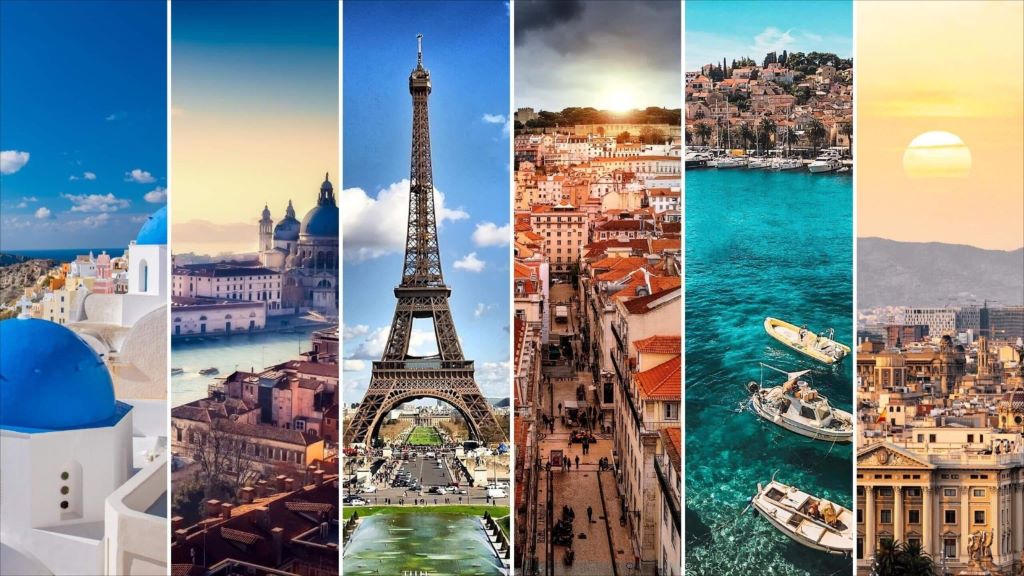
Europe’s compact size, diverse cultures, and efficient transport make it the ideal destination for a multi-country trip. Imagine sipping espresso in Rome, exploring medieval castles in Prague, and dancing at a Berlin nightclub—all in the same week. Yet, 60% of travelers struggle to plan such trips efficiently, often due to overwhelming options, budget concerns, or logistical nightmares.
A well-planned Europe multi-country trip isn’t just about ticking off famous landmarks. It’s about crafting a seamless journey that balances adventure with relaxation, culture with comfort, and spontaneity with structure. Whether you’re a first-time backpacker or a seasoned traveler, this guide will show you how to design a Europe travel itinerary that maximizes your time, minimizes stress, and delivers unforgettable experiences.
By the end, you’ll know how to choose the right countries, optimize transport, budget wisely, and avoid tourist traps—all while creating a trip that feels uniquely yours.
The Magic of Multi-Country Travel: Why Europe Stands Out
Europe’s geographical diversity and interconnected transport make it uniquely suited for multi-country exploration. Here’s why it’s the ultimate destination for such adventures:
- Proximity: Countries are closer than U.S. states. You can travel from Paris to Amsterdam in 3.5 hours by train.
- Transport Options: High-speed trains, budget airlines, and buses make hopping between countries fast and affordable.
- Cultural Diversity: Each country offers unique history, cuisine, and traditions—from Italy’s pasta to Hungary’s thermal baths.
- Schengen Zone: 26 countries with no border controls, simplifying travel for non-EU visitors.
- Budget Flexibility: Europe caters to luxury travelers and backpackers alike, with options for every budget.
However, poor planning can turn a dream trip into a logistical nightmare. The key? A strategic Europe travel itinerary that balances ambition with realism.
Step 1: Choose Your Countries Wisely—Quality Over Quantity
The biggest mistake travelers make? Trying to see too much in too little time. A well-crafted Europe multi-country trip focuses on a handful of destinations that complement each other.
Consider Your Interests
- History Buffs: Italy, Greece, and Spain for ancient ruins and Renaissance art.
- Nature Lovers: Switzerland, Norway, and Slovenia for hiking, lakes, and fjords.
- Foodies: France, Italy, and Portugal for world-class cuisine and wine.
- Nightlife Enthusiasts: Germany, Netherlands, and Croatia for vibrant clubs and festivals.
Group Countries by Region
Minimize travel time by focusing on neighboring countries:
- Western Europe: France, Spain, Portugal, Belgium, Netherlands.
- Central Europe: Germany, Austria, Czech Republic, Poland, Hungary.
- Balkans: Croatia, Bosnia, Montenegro, Albania, Greece.
- Scandinavia: Norway, Sweden, Denmark, Finland, Iceland.
Avoid Overpacking Your Itinerary
- Rule of Thumb: Spend at least 3–4 days per city to experience it properly.
- Example: A 2-week trip could cover 3–4 countries (e.g., Italy + Switzerland + Austria).
- Exception: Smaller countries (e.g., Luxembourg, Andorra) can be day-trip additions.
Pro Tip: Use Google My Maps to plot your route and visualize travel times between destinations.
Step 2: Master Transportation—The Key to a Seamless Trip
Transportation can make or break your Europe multi-country trip. Choosing the right options saves time, money, and stress.
Trains: The Most Scenic and Efficient Option
- Eurail Pass: Unlimited train travel in 33 countries. Best for frequent movers.
- Global Pass: Covers all participating countries.
- One-Country Pass: Ideal for deep exploration (e.g., Italy or Germany).
- Point-to-Point Tickets: Cheaper if traveling less than 5 times.
- Night Trains: Save on accommodation (e.g., Paris to Vienna overnight).
Budget Airlines: Fast and Affordable
- Ryanair, EasyJet, Wizz Air: Offer €10–€50 flights across Europe.
- Pros: Quick and cheap.
- Cons: Strict baggage policies and less comfortable than trains.
- Tip: Book 3–6 weeks in advance for the best prices.
Buses: The Budget-Friendly Alternative
- FlixBus: Covers 30+ countries with Wi-Fi and power outlets.
- RegioJet: Comfortable buses in Central/Eastern Europe.
- Best for: Short hops (e.g., Prague to Budapest).
Rental Cars and Road Trips
- Best for: Rural areas (e.g., Scotland, Iceland, Balkans).
- Considerations:
- Manual transmission is standard; automatic costs extra.
- Toll roads in France, Italy, and Spain add up.
- Cross-border fees may apply.
- Tip: Use Rentalcars.com or Discover Cars to compare prices.
Ferries and Boats
- Greece, Croatia, Italy: Island-hopping requires ferry passes (e.g., Greek Islands Pass).
- Scandinavia/Baltics: Overnight ferries (e.g., Stockholm to Helsinki) double as accommodation.
Pro Tip: Book transport in advance during peak season (June–August). Use Omio or Trainline to compare train, bus, and flight options.
Step 3: Design a Smart Itinerary—Balance Adventure with Realism
A Europe travel itinerary should flow logically, allowing time to explore, rest, and adapt. Here’s how to structure your trip for maximum enjoyment:
Start with a Hub-and-Spoke Model
- Pick 1–2 major cities as bases (e.g., Berlin, Prague).
- Take day trips to nearby destinations (e.g., Dresden, Kutná Hora).
- Benefits: Reduces packing/unpacking and minimizes travel fatigue.
Mix Cities and Nature
- Example: After 3 days in Rome, head to Tuscany for hiking and wine.
- Why? Cities can be overwhelming; nature offers relaxation and contrast.
Allow for Flexibility
- Leave 1–2 “buffer days” for delays or spontaneous detours.
- Example: If you fall in love with Ljubljana, extend your stay and cut time in Zagreb.
Sample Itineraries
- Classic First-Timer (2 Weeks):
- London (3 days) → Paris (4 days) → Amsterdam (3 days) → Berlin (3 days).
- Mediterranean Adventure (3 Weeks):
- Barcelona (4 days) → Nice (3 days) → Florence (4 days) → Rome (4 days) → Athens (3 days) → Santorini (3 days).
- Balkans on a Budget (3 Weeks):
- Budapest (4 days) → Belgrade (3 days) → Sarajevo (3 days) → Mostar (2 days) → Dubrovnik (3 days) → Split (3 days) → Zagreb (2 days).
Pro Tip: Limit travel days to 1–2 per week to avoid exhaustion. Use travel days for rest (e.g., train rides with books/podcasts).
Step 4: Budget Like a Pro—Maximize Value Without Sacrificing Experiences
Europe can be as cheap or expensive as you make it. A smart budget focuses on priorities—splurging on experiences that matter and saving elsewhere.
Accommodation: Sleep Well Without Breaking the Bank
- Hostels: €10–€30/night (e.g., Generator Hostels, Hostelworld).
- Budget Hotels/Pensions: €40–€80/night (e.g., Ibis Budget, Premier Inn).
- Airbnb: €30–€70/night (better for groups or longer stays).
- Monasteries/Convents: €25–€50/night (e.g., Italy’s Monastery Stays).
Food: Eat Like a Local, Spend Like a Savvy Traveler
- Street Food: €3–€8 (e.g., German currywurst, Italian arancini).
- Local Markets: €5–€15 for a picnic lunch (e.g., Mercado de San Miguel in Madrid).
- Menu del Día (Spain) or Prix Fixe (France): €10–€20 for multi-course meals.
- Avoid Tourist Traps: Restaurants with multi-language menus or touts outside usually overcharge.
Attractions: Skip the Lines and Save Money
- City Passes: Paris Museum Pass, London Pass offer discounts and skip-the-line access.
- Free Days: Many museums are free on certain days (e.g., Louvre on first Sundays).
- Walking Tours: Free (tip-based) tours in most cities (e.g., Sandemans, Civitatis).
Transport Savings
- Eurail Pass: €200–€500 for unlimited train travel (worth it for 4+ trips).
- Budget Airlines: €20–€100 flights if booked early.
- Regional Trains/Buses: Often cheaper than high-speed trains (e.g., RegionalExpress in Germany).
Pro Tip: Set a daily budget (e.g., €50–€100/day) and track expenses with Trail Wallet or TravelSpend.
Step 5: Avoid Tourist Traps—Experience Europe Like a Local
Nothing ruins a trip faster than crowded attractions, overpriced meals, and scams. Here’s how to escape the tourist bubble:
Skip the Overrated Attractions
- Instead of: The Mona Lisa at the Louvre (crowded, underwhelming).
- Try: Musée d’Orsay (less crowded, stunning Impressionist collection).
- Instead of: Venice’s Piazza San Marco (expensive, touristy).
- Try: Burano Island (colorful, authentic, and quiet).
Eat Where Locals Eat
- Avoid: Restaurants in main squares or near major attractions.
- Look for: Places with handwritten menus in the local language.
- Ask: “Where do you eat?” (not “Where’s a good restaurant?”).
Beware of Scams
- Common Scams:
- Taxi overcharging (use Uber/Bolt or agree on a price beforehand).
- Fake petitions (distraction for pickpockets).
- “Free” bracelets/roses (they’ll demand payment).
- Prevention: Keep valuables hidden, ignore street gamblers, and use ATMs inside banks.
Pro Tip: Wake up early to visit popular sites before crowds arrive (e.g., Sagrada Família at 8 AM).
Step 6: Pack Smart—Travel Light, Travel Right
Overpacking is the enemy of multi-country travel. A well-curated packing list ensures you’re mobile, comfortable, and prepared.
The Ultimate Packing List
- Clothing:
- 5–7 versatile outfits (neutral colors, quick-dry fabrics).
- Comfortable walking shoes (e.g., Allbirds, Ecco).
- Lightweight jacket and scarf (for churches/cold trains).
- Tech:
- Universal adapter (e.g., OneAdaptr).
- Portable charger (e.g., Anker PowerCore).
- eSIM or local SIM card (e.g., Airalo, Holafly).
- Essentials:
- Passport + copies (digital and physical).
- Travel insurance documents (e.g., SafetyWing, World Nomads).
- Reusable water bottle (many cities have public fountains).
Packing Pro Tips
- Use packing cubes to organize clothes.
- Roll clothes to save space and reduce wrinkles.
- Wear your bulkiest items (e.g., jacket, boots) on travel days.
- Leave room for souvenirs or seasonal items.
Pro Tip: Test your pack before you leave. Walk around with it for a day to ensure comfort.
Step 7: Stay Connected—Without Breaking the Bank
Staying connected is essential for navigation, communication, and emergencies. Here’s how to avoid roaming fees and dead zones:
Get a Local SIM or eSIM
- Best Options:
- Airalo: eSIM with regional or country-specific data.
- Holafly: Unlimited data in Europe.
- Local SIMs: Vodafone (Italy), Orange (France), LycaMobile (UK).
- Cost: €10–€30 for 1–4 weeks of data.
Use Free Wi-Fi Wisely
- Cafés, libraries, and hotels often offer free Wi-Fi.
- Avoid public Wi-Fi for banking—use a VPN (ExpressVPN, NordVPN).
Offline Tools
- Google Maps: Download offline maps for navigation.
- Google Translate: Download language packs for offline use.
- City Guides: Rick Steves’ Audio Europe or Spotted by Locals for offline tips.
Pro Tip: Buy a local SIM at the airport upon arrival to avoid connection gaps.
Reviews: How Travelers Explored Multiple European Countries
Case Study 1: The Backpacker Who Saw 10 Countries in 30 Days
Traveler: Alex, a university student.
Itinerary: Amsterdam → Berlin → Prague → Vienna → Budapest → Zagreb → Ljubljana → Venice → Florence → Rome.
Strategy: Eurail Pass + hostels + street food.
Result: Spent €1,800 total (€60/day) and made lifelong friends.
Case Study 2: The Couple Who Traveled Luxury on a Budget
Travelers: Maria and Carlos, honeymooners.
Itinerary: Paris (4 days) → Swiss Alps (3 days) → Lake Como (3 days) → Venice (2 days).
Strategy: Booked Airbnb apartments, cooked meals, and used regional trains.
Result: Luxury experience for €120/day per person.
7 FAQs About Exploring Multiple European Countries in One Trip
1. How many countries can I realistically visit in 2 weeks?
3–4 countries is ideal. Example: France → Switzerland → Italy → Austria.
2. Is a Eurail Pass worth it?
Yes, if you’re taking 4+ train trips. Compare prices on Eurail vs. point-to-point tickets.
3. What’s the best way to avoid crowds?
Travel in shoulder season (April–May, September–October) and visit attractions early/late.
4. How can I save money on food?
Eat at local markets, street food stalls, and “menu del día” restaurants.
5. What’s the cheapest way to travel between countries?
Buses (FlixBus) and budget airlines (Ryanair, EasyJet) are usually the cheapest.
6. Do I need a visa for a Europe multi-country trip?
Schengen Visa covers 26 countries for 90 days. Check if your nationality requires one.
7. How do I handle money across multiple countries?
Use a no-foreign-fee card (Wise, Revolut) and withdraw local currency from ATMs.
Related Topics:
Conclusion: Your Blueprint for an Unforgettable European Adventure
Exploring multiple European countries in one trip is not just possible—it’s one of the most rewarding ways to travel. By choosing the right destinations, optimizing transport, budgeting wisely, and avoiding tourist traps, you can craft a Europe travel itinerary that’s efficient, affordable, and packed with unforgettable experiences.
Your action plan:
- Pick 3–4 neighboring countries that align with your interests.
- Book transport in advance (trains, flights, or buses).
- Design a flexible itinerary with buffer days for spontaneity.
- Budget for experiences, not just accommodations.
- Pack light and smart to stay mobile.
- Stay connected with a local SIM or eSIM.
- Embrace local culture—eat, explore, and connect like a resident.
Europe is waiting to be discovered. With the right planning and mindset, your multi-country trip will be smooth, enriching, and utterly unforgettable.
Ready to start your adventure? Pick your first destination, book your transport, and take the first step toward the trip of a lifetime.