

19 Apr How to Pick the Best Travel Accessories for Men on the Go
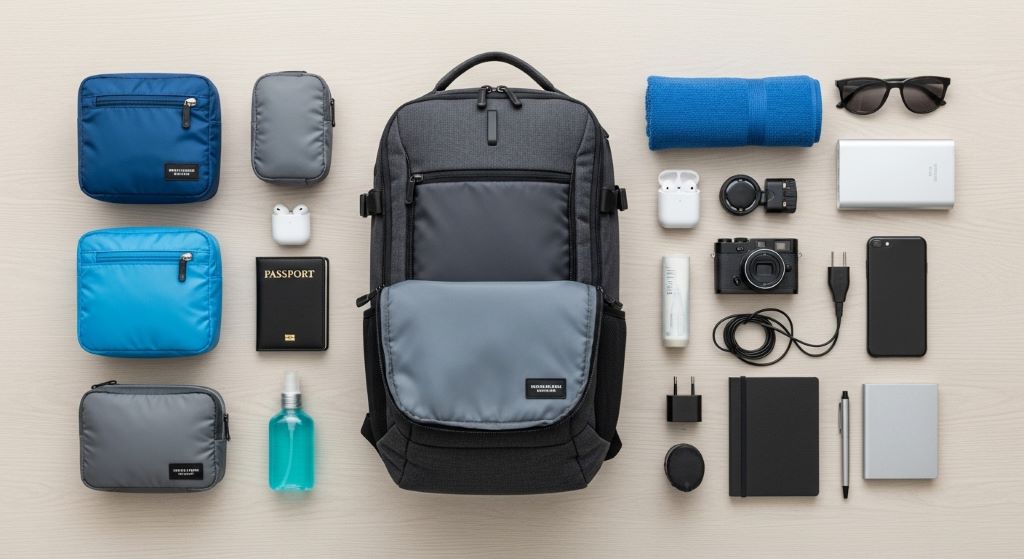
Traveling should feel freeing. However, a poorly packed bag or a missing item can turn a great trip into a stressful one. The difference often comes down to preparation. Having the right accessories in your bag means fewer headaches, more comfort, and a smoother experience from start to finish.
Whether you are a weekend warrior, a frequent business flyer, or a backpacker crossing continents, what you carry matters. This guide breaks down exactly what to look for and how to choose accessories that will actually serve you well on the road.
Why Your Travel Accessories Matter More Than You Think
Most men underestimate how much their gear affects the quality of a trip. A bag that digs into your shoulder after two hours ruins your energy. A dead phone in a foreign city creates real problems. A forgotten adapter means your laptop stays dark all night.
Good travel essentials do not just add convenience. They remove obstacles. When your gear works, you are free to focus on the experience rather than the logistics.
Therefore, choosing carefully is not about spending more money. It is about spending it on the right things.
Step One: Start With Your Travel Style
Before buying anything, get clear on how you travel. Your needs change based on the type of trip you take most often.
A business traveler needs wrinkle-resistant packing solutions, quick access to documents, and a professional-looking bag that fits in an overhead bin. A weekend traveler wants compact gear that is easy to grab and go. A long-haul backpacker values durability, weight, and versatility above everything else.
Additionally, think about how often you travel. If you are on the road twice a month, investing in high-quality gear for travelers makes sense. If you take one vacation a year, mid-range options will do the job just fine.
Knowing your travel style removes the guesswork from shopping. It also helps you avoid buying things that look great in a review but do not fit your actual life.
Choosing the Right Bag
Everything starts with the bag. It is the foundation of your setup, and the wrong choice will frustrate you on every trip.
Backpacks vs. Carry-On Luggage
Backpacks work well for active trips, short hops, and destinations where you will be moving around a lot. They keep your hands free and fit easily on public transport. However, they can strain your back if they are overpacked or poorly designed.
Carry-on luggage with spinner wheels is ideal for business travel or city breaks. It rolls smoothly through airports and hotels. The trade-off is that it does not handle rough terrain well.
Some men prefer a hybrid option — a bag that converts between a backpack and a duffel. These are practical for mixed itineraries where flexibility matters.
What to Look for in a Travel Bag
Look for a bag with a padded laptop compartment if you carry tech. External pockets for quick-access items save a lot of time at security checkpoints. Compression straps help you pack more without adding bulk.
Also, check the material. Water-resistant fabrics like nylon or ripstop polyester handle unexpected rain and dirty airport floors without absorbing damage. A bag made from low-quality material will show wear fast, especially if you travel regularly.
Weight matters too. A bag that is heavy when empty leaves less room for your actual gear. Aim for something lightweight but structured.
Packing Smart: The Tools That Make It Possible
Even the best bag becomes a mess without a system. Packing cubes are one of the simplest upgrades a traveler can make.
They compress your clothes, separate clean items from worn ones, and make unpacking at the hotel instantly organized. A set of three or four cubes in different sizes covers most trips without adding significant weight.
Compression bags take this a step further. They squeeze air out of bulky items like jackets and hoodies, dramatically reducing their size. This is especially useful for cold-weather trips where heavy clothing can eat up half your bag.
Additionally, a flat lay toiletry bag keeps your personal care items accessible without spilling or shifting. Look for one that hangs on a towel rail — it saves counter space in small hotel bathrooms and keeps everything visible.
Staying Charged and Connected on the Road
Few things are more stressful than a low battery when you need it most. Staying powered up is one of the most important aspects of modern travel.
Power Banks and Adapters
A high-capacity power bank is non-negotiable. Look for one with at least 10,000 mAh. That is enough to charge most smartphones two to three times. If you carry a tablet or use your phone heavily for navigation, consider a 20,000 mAh model.
A universal travel adapter is equally important. Outlets vary across countries, and many standard adapters only cover a few plug types. Choose one that covers all major regions and includes USB-A and USB-C ports so you can charge multiple devices at once.
Cables and Wireless Charging
Tangled cables are a small but consistent annoyance. A short braided cable takes up less space and lasts longer than a standard one. Many travelers now carry just one multi-tip cable that handles all their devices.
If your hotel nightstand supports wireless charging, a foldable wireless charging pad is a sleek upgrade. It keeps your nightstand clear and eliminates the need to hunt for ports in the dark.

Comfort Gear That Actually Gets Used
Long flights and overnight trains take a toll on your body. The right comfort accessories make the difference between arriving refreshed and arriving stiff.
Neck Pillows
Not all neck pillows are equal. The classic U-shape foam models are bulky and often do not provide real support. Look for memory foam versions that fit closer to the neck or innovative designs that allow you to rest your head to the side. Compressible models pack down small and expand when needed.
Noise-Canceling Earbuds or Headphones
Noise is one of the biggest drains on energy during travel. Noise-canceling headphones block engine hum, crying babies, and general cabin noise. Over-ear models provide better cancellation, but in-ear options are lighter and easier to pack.
Either way, this is one of the travel essentials that frequent flyers consistently rank among their best purchases.
Eye Masks and Earplugs
Simple but effective. A contoured eye mask that does not press against your eyelids makes sleeping on planes significantly easier. Foam earplugs offer a backup when you want to preserve battery life on your headphones.
Security and Organization Accessories
Keeping your documents, cards, and cash secure while traveling is a real concern. Fortunately, there are smart, discreet ways to stay protected.
RFID-Blocking Wallets
Credit cards and passports contain chips that can be scanned wirelessly. An RFID-blocking wallet prevents unauthorized scanning. These are slim, affordable, and widely available. For most travelers, a slim bifold with a few card slots and a cash pocket covers everything needed on a trip.
Passport Holders and Document Organizers
A passport holder keeps your documents clean, dry, and together. Many models include pockets for boarding passes, cards, and foreign currency. This makes moving through airports much faster because everything is in one place.
Additionally, a small shoulder pouch or money belt worn under your shirt adds another layer of security in crowded tourist areas. It holds your passport, emergency cash, and a backup card without drawing attention.
Luggage Locks and Tracking Devices
A TSA-approved luggage lock is a basic security measure that discourages tampering. For checked luggage, a small Bluetooth tracker slipped into a pocket gives you peace of mind. If your bag is delayed or misdirected, you know exactly where it is.
Grooming and Personal Care on the Road
Staying well-groomed during travel is easier with the right products and tools. However, it also requires some planning ahead.
Travel-Sized Grooming Kits
Many brands now offer travel-sized grooming sets that include a compact trimmer, scissors, and a nail file in a single case. These pass through security without issue and keep you looking sharp without carrying your entire bathroom cabinet.
A solid toiletry bag with leak-proof compartments is worth the investment. TSA-approved bottles with clear labels save time at checkpoints and prevent messy spills inside your bag.
Skincare Basics for Travelers
Airplane cabins are extremely dry. Your skin feels it. A small tube of quality moisturizer and a lip balm go a long way. Additionally, a travel-sized hand cream is something many men overlook until their hands are cracked and uncomfortable mid-trip.
Sunscreen is also essential, particularly for outdoor destinations. A small SPF stick is compact and mess-free compared to a full bottle.
Gear for Travelers Who Work While They Move
Remote work has changed how many men travel. If you work while you travel, your gear list needs to reflect that.
A laptop stand that folds flat fits in most bags and improves your posture during long work sessions. Paired with a compact wireless keyboard and mouse, it creates a proper workstation in almost any hotel room or coffee shop.
A privacy screen protector for your laptop prevents people from reading your screen on planes or in shared spaces. This is important for anyone handling sensitive work documents in public.
A good pair of over-ear headphones with a quality microphone ensures your calls sound professional, even when you are dialing in from a hostel dorm or an airport lounge.
Budget vs. Premium: Finding the Right Balance
You do not have to spend a lot to travel well. However, there are certain areas where spending more pays off clearly.
Spend more on your bag. A quality bag that lasts ten years is a better investment than replacing a cheap one every two trips. Spend more on your noise-canceling headphones. The difference in quality between budget and mid-range is significant. Spend more on a power bank from a trusted brand. Off-brand units can be unreliable and, in rare cases, unsafe.
On the other hand, you can save money on packing cubes, luggage locks, and basic toiletry bags. These do not need to be premium to do their job well.
Therefore, prioritize your spending based on how often you use an item and how much its failure would disrupt your trip.
Conclusion
Picking the best travel accessories for men is not about loading up on the latest gear. It is about understanding your travel style, solving real problems, and choosing products built to last.
Start with a bag that fits your most common trips. Build a system for packing that keeps things organized and accessible. Invest in staying charged, staying comfortable, and staying secure. Add personal care and work tools based on your specific needs.
Good gear for travelers removes friction from the journey. When your accessories work well, the trip becomes less about managing logistics and more about enjoying where you are. That is the real goal — and the right accessories get you there.
Frequently Asked Questions
What are the most important travel essentials every man should carry?
The core must-haves include a quality bag, a universal adapter, a power bank, noise-canceling earbuds or headphones, packing cubes, and an RFID-blocking wallet. These cover the basics for almost any type of trip.
How do I choose the right travel bag for my needs?
Think about your most common trips. For business travel, a carry-on suitcase or a sleek backpack works best. For adventure or backpacking trips, a durable hiking-style pack is more practical. Always prioritize weight, compartments, and water resistance.
Are packing cubes really worth it?
Yes. Packing cubes keep your bag organized, make finding items easy, and help you fit more into a smaller space. Once you use them, most travelers say they would never go back to packing without them.
What should I look for in a travel power bank?
Look for a capacity of at least 10,000 mAh, USB-C charging support, and a compact design. Make sure it is airline-approved — most models under 100 Wh are allowed in carry-on luggage.
How can I keep my belongings safe while traveling?
Use an RFID-blocking wallet, a TSA-approved luggage lock, and consider a hidden money belt for high-risk areas. A Bluetooth tracker inside your checked bag adds extra peace of mind in case of delays or misdirected luggage.
Related Topics:
How to Plan a European Trip for First-Time Travelers: Your Ultimate Guide
Where to Travel for Over 60 Years Old Without Long Walking Tours