


22 Apr 7 Common Tourist Scams in Waikiki and How to Avoid Them (Stay Safe in Paradise!)
Waikiki is a dreamy destination with golden beaches, world-class resorts, and unforgettable sunsets. But behind the aloha vibes, there’s a side every traveler should know. Scammers often target unsuspecting tourists who are soaking in the island charm without a clue of the risks. Whether it’s a fake tour deal or an overpriced taxi, these scams can spoil your trip tourist .
I’ve been there myself. A few years ago, I visited Waikiki for the first time. Caught up in the excitement, I signed up for a “cultural luau” event from a friendly beach promoter. It turned out to be a cheap backyard party, far from what was promised. Lesson learned.
So, how can you enjoy Hawaii without falling for these tricks? This guide walks you through the top tourist scams in Waikiki and gives you the tools to dodge them. If you’re planning a trip, don’t forget to explore Stay at Holiday for tips, hotel deals, and genuine reviews to avoid shady experiences.
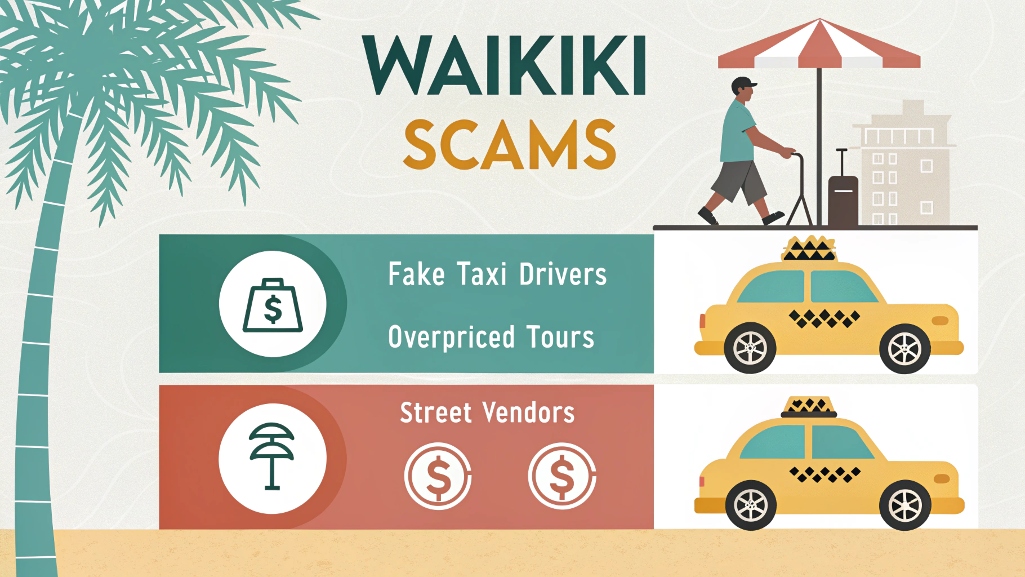
1. The Timeshare Trap
Timeshares are common in Hawaii. Some are legit, but others push hard sales tactics disguised as “free gifts.”
Here’s how the scam works:
You’ll be approached on the street, at your hotel lobby, or even the airport. The offer sounds appealing—free dinner, sunset cruise, or tour. But there’s a catch. To get the gift, you must sit through a “short presentation” that turns into a high-pressure sales pitch lasting hours.
Why It’s Dangerous:
- You might end up signing a contract you don’t understand.
- Hidden fees and unclear terms trap people financially.
- Many feel too pressured to say “no.”
According to a 2021 Consumer Reports review, 85% of timeshare owners regret their purchase. Most cite misleading sales tactics as the reason.
How to Avoid It:
- If it sounds too good to be true, it probably is.
- Don’t give your ID or credit card to get a “free” gift.
- Ask questions: Is this a sales event? Will I be asked to sign anything?
-
Taxi and Rideshare Overcharging
When is the best time to go to hawaii? But no matter when you visit, getting around Waikiki can be tricky—and expensive if you’re not careful.
Here’s the scam:
Some taxi drivers take longer routes to inflate fares. Others don’t turn on the meter or demand cash only. Even some rideshare drivers pull tricks—canceling rides or charging “cleaning fees” you didn’t cause.
What to Watch For:
- No meter or vague fare quotes.
- “Cash only” excuse.
- Fake cleaning charges added post-ride.
In 2023, Hawaii’s Department of Commerce and Consumer Affairs received dozens of reports of tourists overcharged by taxi drivers near Honolulu Airport.
Tips to Stay Safe:
- Always use reputable apps like Uber or Lyft.
- Confirm the driver and license plate before entering.
- Ask for a receipt—this discourages scams.
-
Street Performers with a Catch
Waikiki is known for lively street entertainment. Fire dancers, ukulele players, and even Elvis impersonators fill the sidewalks. Most are harmless and entertaining. However, some use aggressive tactics for tips.
How it happens:
You stop to enjoy the show. Suddenly, you’re pulled in for a “photo opportunity.” After the pic, you’re pressured to pay $20 or more. If you hesitate, they may get rude—or worse, block your way.
The Risk:
- Intimidation or verbal aggression.
- Overpriced photos or “mandatory” donations.
- Some performers use distraction to aid pickpocketing.
What You Can Do:
- Enjoy from a distance.
- Don’t let anyone touch your phone or camera.
- Walk away if things feel off.
Local news outlet KHON2 reported a rise in aggressive performers targeting visitors during high-tourist seasons, especially around Kalakaua Avenue.
-
Fake Activity Deals and Tours
Tour stands line Waikiki Beach. Most are genuine, offering snorkeling, hikes, or cultural shows. But some prey on your excitement.
Common red flags:
- Prices far below market rates.
- No business license displayed.
- Payment requested in full, in cash.
I once booked a dolphin swim deal from a booth near the Duke Kahanamoku statue. The guy promised a “private experience.” Turns out, it was a crowded boat ride—no dolphins, no refund.
How to Protect Yourself:
- Check reviews online before booking.
- Ask for company credentials and cancellation policies.
- Avoid deals requiring 100% upfront payment.
Better Business Bureau Hawaii advises tourists to book through hotel concierges or certified websites.
-
Beach Gear Rental Rip-Offs
You’re at the beach, and someone offers to rent you a surfboard, umbrella, or snorkel gear. Seems convenient, right?
But not all rentals are equal. Some overcharge, while others charge hidden damage fees even when items are returned in perfect condition.
What Tourists Report:
- Broken gear blamed on you.
- No signed rental agreement.
- Inflated replacement costs.
How to Stay Protected:
- Inspect gear and take photos before use.
- Get a written agreement or receipt.
- Ask for the rental shop’s name and address.
If something feels shady, trust your gut and walk away.
-
“Free Lei” or “Local Souvenir” Scams
On the surface, these gestures seem friendly. Someone offers you a lei or handmade bracelet. The moment you accept, they demand payment.
Here’s the breakdown:
- They place it around your neck or wrist.
- You’re told it’s free.
- Minutes later, they request $10–$20.
- Refusing may lead to a guilt trip or confrontation.
This scam is common near beachwalks, especially during weekends.
How to Respond:
- Politely say “no thanks” and keep walking.
- Never allow strangers to place anything on you.
- Be wary of “gifts” from people you don’t know.
Honolulu Police Department often reminds visitors to avoid unsolicited offers in crowded tourist zones.
-
Pickpocketing and Distraction Scams
Waikiki feels safe, and in many ways, it is. But busy areas like the beach, shopping districts, and bus stops are prime spots for pickpockets.
How the scam works:
- Someone bumps into you.
- Another person creates a distraction—like a spilled drink or loud argument.
- While your attention is diverted, your wallet or phone vanishes.
According to Hawaii News Now, pickpocketing rose by 12% in Honolulu in 2022, especially in areas with heavy tourist foot traffic.
Smart Safety Tips:
- Use a crossbody bag with zippers.
- Avoid carrying all your cash or passport.
- Be alert in crowded places.
Even fanny packs help, especially worn in front.
Read More Also: Safe Solo Female Travel: Exploring Amsterdam’s Canals at Night
Conclusion
Waikiki is one of the most beautiful spots on Earth. Don’t let a few bad actors ruin it. With a bit of knowledge and awareness, you can avoid these tourist traps and focus on what matters: the sun, the surf, and unforgettable memories.
And hey—have you experienced a scam while traveling? Share your story in the comments. Your tip might help another tourist stay safe. If you found this helpful, feel free to share it!
Read More Also: What to See in Toledo Spain: Must-See Attractions
FAQs
What should I do if I fall for a tourist scam in Waikiki?
Report the incident to Honolulu Police Department. If you paid with a card, contact your bank right away.
Are Waikiki’s street vendors trustworthy?
Many are, but not all. Stick to vendors with business licenses and avoid deals that feel rushed or vague.
Is Waikiki safe for solo travelers?
Yes, but stay alert, especially at night. Avoid poorly lit areas and don’t flash valuables in public.
How do I know if a tour in Waikiki is legit?
Check online reviews. Use hotel concierge services or certified tour platforms to avoid fakes.
What’s the most common scam in Waikiki?
Timeshare scams and overpriced taxi rides top the list. Always double-check prices and details.