

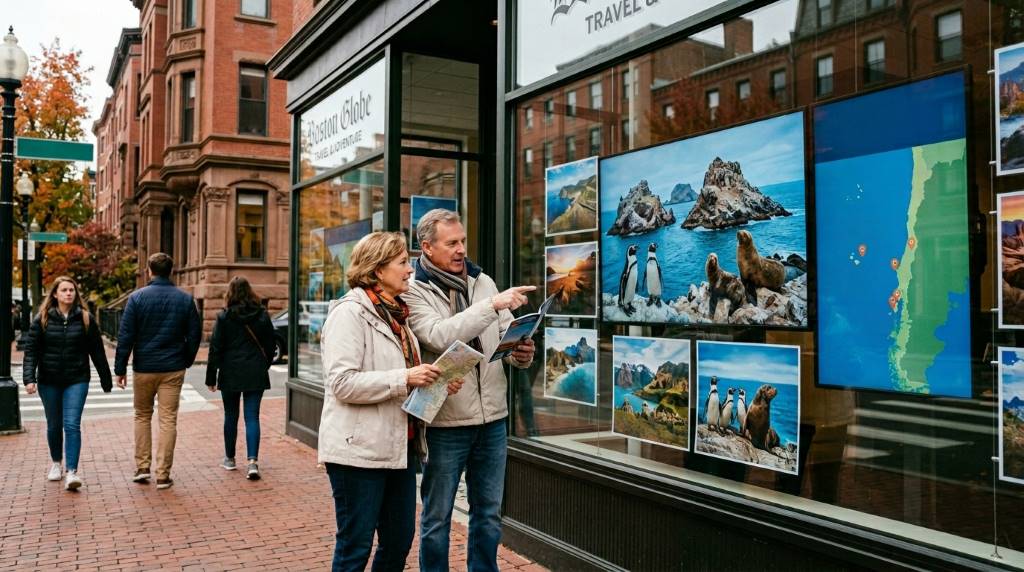
13 May How Tourists in Boston, MA Discover Unique Wildlife Islands Across Chile
Boston travelers continue to seek nature-based adventures that feel authentic and unforgettable. According to global tourism studies, wildlife tourism now represents nearly 7% of international travel spending each year. Additionally, eco-tourism demand has increased rapidly among travelers from major U.S. cities like Boston. Many visitors now choose remote destinations that offer rare animals, untouched landscapes, and cultural experiences together. For this reason, travelers researching Chile islands wildlife travel often discover exciting opportunities across Chile’s dramatic coastal regions. These islands provide stunning biodiversity while also offering peaceful escapes far from crowded tourist centers.
Why Boston Tourists Choose Chile for Wildlife Island Adventures
Boston residents often enjoy outdoor activities because New England offers strong hiking and coastal traditions. However, Chile introduces travelers to entirely different ecosystems and wildlife habitats. The country stretches more than 2,600 miles from north to south, creating remarkable climate diversity. Visitors can explore icy southern islands, temperate rainforests, and volcanic coastlines within one country. As a result, Chile attracts tourists who want both adventure and environmental discovery.
Direct and connecting flights from Boston to Santiago have also become easier over recent years. Many travelers combine Chilean island visits with urban experiences in Santiago or Valparaíso. Furthermore, Chile maintains strong tourism infrastructure that supports eco-conscious travel. Guided wildlife tours help visitors access remote islands safely and responsibly. Therefore, Boston tourists often view Chile as both exciting and manageable for long-distance travel.
Understanding Chile’s Unique Wildlife Islands
Chile contains hundreds of islands spread across the Pacific Ocean and southern fjords. Some islands remain isolated and protected, allowing wildlife populations to thrive naturally. Others feature small communities that balance tourism with conservation efforts. Because of this variety, travelers can customize trips according to comfort level and adventure goals. Every island offers a different wildlife experience.

Common Wildlife Found Across Chilean Islands
Travelers frequently encounter rare species during island tours across Chile. Wildlife changes significantly depending on the region and climate. Northern islands feature marine life, while southern areas host colder-climate species. Birdwatchers especially enjoy Chile because of its impressive biodiversity. Many islands also support endemic species found nowhere else.
Popular wildlife sightings include:
- Humboldt penguins
- Sea lions
- Blue whales
- Dolphins
- Albatross birds
- Magellanic penguins
- Marine otters
- Andean foxes
Best Wildlife Islands for Boston Travelers
Chiloé Island
Chiloé Island ranks among Chile’s most accessible wildlife destinations for international visitors. Located in southern Chile, it combines coastal beauty with rich local traditions. Tourists often spot penguins near Puñihuil while exploring nearby marine areas. Additionally, the island’s forests shelter unique bird species and native wildlife. The cool and rainy climate also creates lush green scenery throughout the year.
Boston travelers appreciate Chiloé because it feels both adventurous and comfortable. Local tour operators offer whale-watching excursions and cultural experiences together. Seafood cuisine also attracts visitors who enjoy fresh regional dishes after long excursions. During summer months from December through February, temperatures remain mild and suitable for outdoor exploration. Therefore, Chiloé works well for first-time Chile wildlife travelers.
Magdalena Island
Magdalena Island sits within the Strait of Magellan near Punta Arenas in Patagonia. This island hosts one of South America’s largest Magellanic penguin colonies. Travelers can walk carefully designed paths while observing thousands of penguins nearby. Moreover, photography enthusiasts often capture incredible wildlife shots during sunrise visits. The dramatic weather conditions also make the experience feel truly remote.
Tourists from Boston should prepare for colder temperatures and strong winds in Patagonia. Waterproof jackets and layered clothing become essential during island tours. However, the rugged atmosphere creates unforgettable scenery and wildlife encounters. Guided boat tours generally operate during penguin migration seasons between October and March. Consequently, timing plays an important role when planning visits.
Juan Fernández Islands
The Juan Fernández Islands offer one of Chile’s most remote wildlife experiences. Located far off the Pacific coast, these islands support rare marine ecosystems and endemic species. Divers and snorkelers often visit to explore crystal-clear waters filled with marine life. Additionally, Robinson Crusoe Island provides fascinating historical connections alongside ecological importance. The islands remain less crowded than many global wildlife destinations.
Boston travelers seeking exclusivity often choose this destination despite the longer travel logistics. Flights from Santiago usually connect through smaller regional airports before reaching the islands. Visitors frequently spend several days exploring hiking trails and marine reserves. Because tourism numbers remain controlled, wildlife habitats stay relatively undisturbed. This protection greatly improves the overall visitor experience.
How Boston Tourists Plan Their Chile Wildlife Trips
Successful wildlife travel requires careful planning before departure. Boston travelers usually begin by selecting the season that matches their wildlife goals. Summer months in Chile provide warmer temperatures and calmer travel conditions. However, certain species appear only during specific migration periods. Therefore, research becomes extremely valuable during early planning stages.
Essential Planning Tips
Travelers can improve their experience by organizing several details ahead of time:
- Book internal flights early for southern destinations
- Carry waterproof outdoor clothing
- Pack binoculars for birdwatching
- Download offline maps before remote travel
- Learn basic Spanish travel phrases
- Confirm wildlife tour permits in advance
These small preparations often reduce stress during remote island travel. Moreover, organized travelers usually enjoy more flexibility when weather conditions change unexpectedly.
Climate Differences Travelers Should Understand
Chile’s geography creates extreme climate variation from north to south. Boston tourists sometimes underestimate how dramatically conditions shift across regions. Northern coastal islands remain drier and warmer throughout most of the year. Meanwhile, southern Patagonia experiences colder temperatures, rain, and heavy winds even during summer. Understanding these differences helps travelers pack correctly.
For example, visitors exploring Chiloé often need rain jackets and waterproof boots. In contrast, northern marine tours may require sun protection and lightweight clothing. Patagonia tours frequently involve layered winter-style gear because weather changes quickly. Therefore, checking local forecasts before internal flights becomes very important. Proper preparation improves safety and comfort during wildlife exploration.
Wildlife Photography Opportunities Across Chile
Many Boston tourists travel to Chile specifically for wildlife photography experiences. Chile’s islands provide dramatic natural lighting, open coastlines, and active marine life. Early mornings often produce the best photography conditions because wildlife remains more active. Additionally, cloudy Patagonian skies can create cinematic landscape effects. Photographers frequently return home with unique images unavailable in more commercial destinations.
Travelers should carry weather-resistant camera equipment because moisture and wind remain common challenges. Zoom lenses help capture animals without disturbing their natural behavior. Boat tours also require secure waterproof bags for electronics and personal items. Furthermore, respecting wildlife distance regulations protects both visitors and ecosystems. Ethical photography practices remain extremely important across protected areas.
Eco-Friendly Travel Practices for Island Exploration
Sustainable tourism plays a major role in preserving Chile’s island ecosystems. Many wildlife areas limit visitor numbers to reduce environmental pressure. Boston travelers increasingly support eco-friendly tourism because conservation awareness continues growing globally. Responsible behavior helps maintain healthy wildlife populations for future generations. Consequently, travelers should follow all local environmental guidelines carefully.
Responsible Wildlife Tourism Habits
Visitors can minimize environmental impact by following simple practices:
- Avoid feeding wild animals
- Stay on designated walking paths
- Use reusable water bottles
- Support locally owned tour operators
- Respect photography distance rules
- Reduce plastic waste during excursions
These habits may appear small, yet they create meaningful conservation benefits over time. Sustainable tourism also strengthens local communities that depend on protected ecosystems.
Cultural Experiences That Enhance Wildlife Travel
Wildlife exploration becomes even more rewarding when combined with Chilean cultural experiences. Many islands feature fishing villages, traditional cuisine, and indigenous influences. Boston travelers often enjoy learning how local communities coexist with surrounding ecosystems. This deeper understanding adds emotional value to wildlife adventures. Cultural interaction also creates more balanced travel experiences.
Chiloé Island especially stands out for its folklore, colorful homes, and wooden churches. Meanwhile, Patagonia communities offer insight into remote coastal living and maritime traditions. Travelers frequently enjoy local seafood dishes prepared with regional ingredients. Additionally, many guides share conservation stories connected to their communities. These personal narratives often leave lasting impressions on visitors.
Budget Expectations for Boston Travelers
Chile wildlife travel can fit different budget levels depending on destination choices. Travelers who prioritize luxury lodges should expect higher costs, especially in Patagonia. However, mid-range eco-lodges and local guesthouses remain available across many islands. Flights typically represent the largest expense for travelers departing from Boston. Internal transportation can also add significant costs for remote destinations.
Budget-conscious visitors often save money by traveling during shoulder seasons. Group tours sometimes reduce transportation and guide expenses considerably. Furthermore, booking accommodations early usually secures better rates during peak summer months. Travelers should also budget for weather-related schedule changes in southern Chile. Flexibility often prevents unexpected financial stress during island trips.
Safety Tips for Wildlife Island Travel
Chile remains one of South America’s safer travel destinations for international tourists. Nevertheless, wildlife island adventures still require sensible precautions and preparation. Remote locations may have limited medical facilities and unpredictable weather conditions. Therefore, travelers should always inform someone about excursion plans before departure. Carrying emergency contact information also improves travel safety.
Boat excursions often involve rough waters, especially in Patagonia’s southern regions. Motion sickness medication may help travelers during longer marine tours. Additionally, sturdy hiking shoes reduce injury risks on uneven island terrain. Visitors should always follow guide instructions around wildlife areas. Responsible behavior protects both tourists and fragile ecosystems.
Why Chile’s Wildlife Islands Continue to Grow in Popularity
Interest in wildlife-focused tourism continues increasing among American travelers each year. Boston residents especially value experiences that combine education, adventure, and environmental awareness. Chile’s islands provide exactly that balance through diverse ecosystems and relatively uncrowded destinations. Unlike heavily commercialized wildlife locations, many Chilean islands still feel raw and authentic. This authenticity strongly appeals to modern eco-conscious travelers.
Social media and travel documentaries have also increased awareness of Chile’s natural beauty. Stunning penguin colonies, dramatic coastlines, and whale encounters inspire many travelers to visit. Furthermore, improved eco-tourism services now make remote islands more accessible than before. Chile continues investing in sustainable tourism infrastructure across coastal regions. As a result, international interest will likely continue growing.
Conclusion
Boston travelers searching for meaningful wildlife adventures increasingly discover Chile’s remarkable island destinations. From penguin colonies in Patagonia to marine reserves in the Pacific, Chile offers unforgettable biodiversity experiences across varied climates and landscapes. Careful planning, responsible tourism habits, and local cultural engagement can transform a simple vacation into a life-changing journey. These islands provide opportunities to witness wildlife while supporting conservation-focused communities. Start planning your Chile wildlife island adventure today and experience one of South America’s most extraordinary eco-tourism destinations firsthand.
FAQs
What is the best time for Boston tourists to visit Chile wildlife islands?
The best time usually falls between October and March because wildlife activity and weather conditions improve during these months.
Do travelers need special permits for wildlife island tours in Chile?
Some protected areas require permits or guided tours, so travelers should confirm requirements before visiting.
Are Chile’s wildlife islands suitable for family travel?
Yes, many islands offer guided tours and safe walking paths that work well for families with children.
How long should tourists spend exploring Chile’s wildlife islands?
Most travelers benefit from spending at least 7 to 10 days exploring multiple island regions comfortably.
Can travelers see whales during Chile island tours?
Yes, several coastal regions and islands offer seasonal whale-watching tours with experienced local guides.
Related Reads
Read more: How to Plan an Adventure Trip Across Europe From Florida (FL)
Explore: How to Pick the Best Travel Accessories for Men on the Go